1. What does fleet management actually involve?
Fleet management is the process of planning, supervising and optimising how a company uses its vehicles. It covers buying and maintaining vehicles, monitoring how they are used, managing costs and keeping drivers and vehicles safe. The aim is to minimise operating costs and get the most out of transport operations.
What are the main tasks in fleet management?
- choosing and buying vehicles (choosing vehicles that match what the company needs and deciding how to finance them: purchase, lease or rental),
- vehicle monitoring (using GPS tracking and telematics to follow vehicle location and how drivers drive),
- technical maintenance (regular inspections, servicing and repairs that keep the fleet running),
- cost management (optimising spending on fuel, servicing, insurance and depreciation),
- route planning (optimising routes to cut fuel costs and shorten journey times),
- driver training (improving drivers' skills in economical and safe driving).
Why does fleet management matter?
Effective fleet management lowers running costs, improves how fleet operations perform and makes everything safer. Monitoring vehicle condition and driving style reduces the risk of accidents and lowers fuel consumption. Dedicated software for fleet managers is what supports this oversight.
What do you gain by monitoring a fleet?
Using professional tools for collecting fleet data, you gain a great deal of valuable information. Monitoring a fleet with GPS and telematics makes it possible to track vehicle location in real time, driving style analysis of drivers (speed, harsh braking and so on), fuel control in terms of consumption, and to react quickly to breakdowns and emergencies.
Which technologies support fleet management?
Modern fleet management uses advanced information technology, such as: GPS systems and telematics (for tracking vehicles and analysing operational data), fleet management software (automating processes such as scheduling inspections, reporting costs or planning routes), mobile apps (giving drivers easy access to information about routes and tasks).
How do you lower the cost of running a fleet?
Cost optimisation can mean: putting fuel monitoring systems in place, training drivers in eco-driving, servicing each vehicle regularly to avoid expensive repairs, and optimising routes.
What are the challenges in fleet management?
The biggest ones are: controlling running costs while fuel prices move, managing the risk of breakdowns and accidents, keeping the fleet in good technical condition, and keeping up with changing legal and environmental rules.
What are the best practices in fleet management?
Best practice includes: using advanced technology that makes effective monitoring and controlling a fleet, for example GPS tracking and telematics possible, analysing operational and financial data regularly, investing in driver training, and planning a long-term fleet strategy.
Is outsourcing fleet management worth it?
Outsourcing fleet management can pay off for an organisation that wants to focus on its core business and hand mobility matters to a specialist. Outsourcing companies offer end-to-end services, including managing servicing, insurance and cost optimisation, which saves both time and money.
Which legal rules apply to fleet management?
Running a company fleet has to comply with rules on: motor insurance, technical inspections and emission standards, drivers' working time, and health and safety at work.
Effective fleet management is key to the success of many transport and logistics companies. Digitising the fleet with modern technology, and paying attention to the details of how it is run, delivers savings and makes operations more efficient.
2. When is a fleet management system worth it?
A fleet management system is a modern tool that helps companies monitor and control their vehicles effectively. With features such as real-time location tracking, fuel consumption analysis and route optimisation, these systems cut operating costs considerably and make work more efficient.
What is a fleet management system?
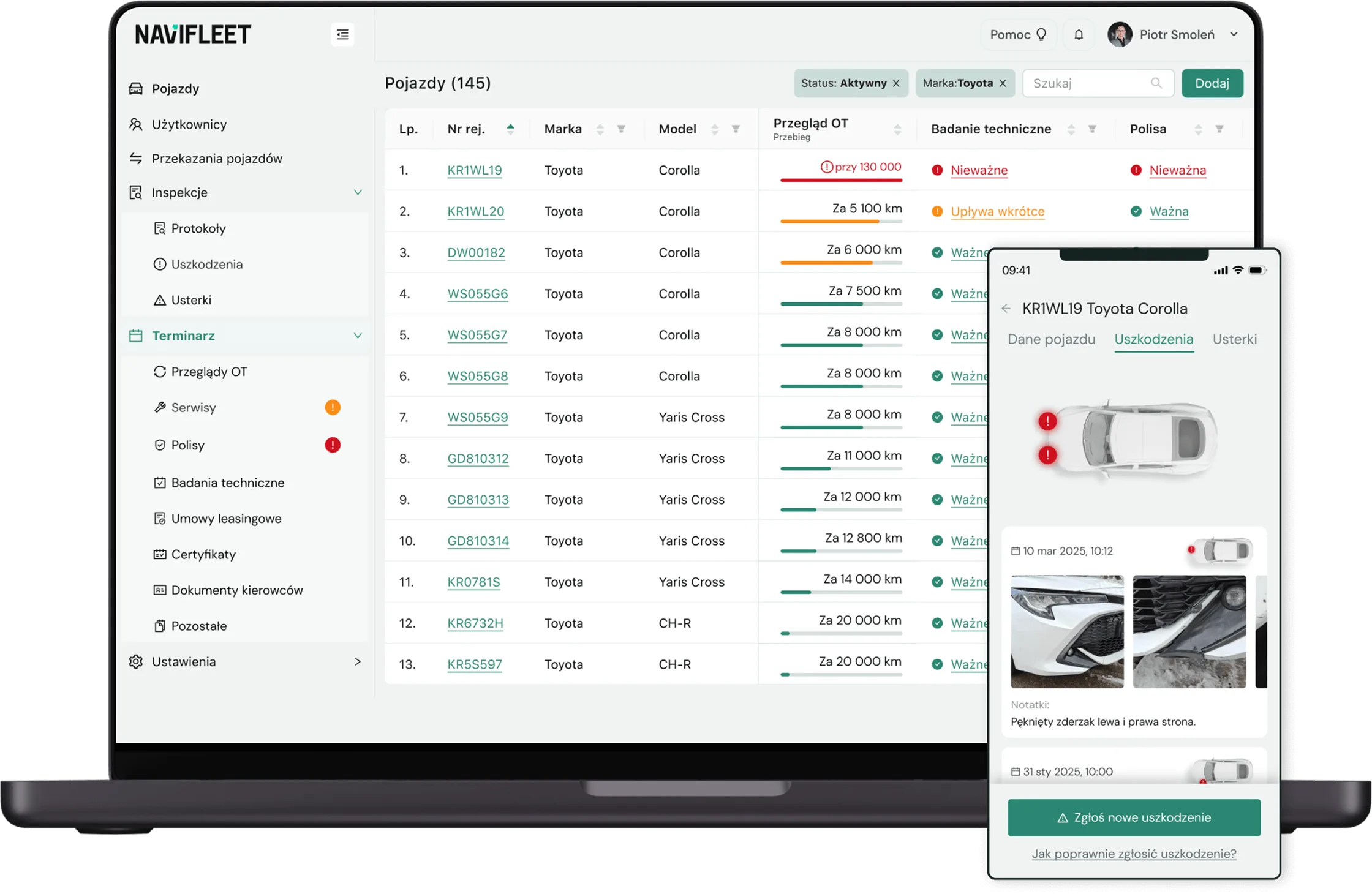
It is software for managing company vehicles end to end. It covers GPS location monitoring, service scheduling, fuel consumption control and driver behaviour analysis. Software that makes fleet management easier brings a long list of benefits — rolling such a system out lowers costs, improves safety and makes the fleet perform better.
When is it worth investing in a fleet management system?
- the company runs a large number of vehicles (managing a fleet by hand becomes complicated and time-consuming — software can make a fleet manager's work far easier),
- operating costs are high (monitoring fuel consumption and optimising routes brings them down considerably),
- the company wants to improve efficiency (fleet administration software plans routes better, which shortens delivery times and makes drivers more productive),
- safety is a priority for the company (fleet software monitors driving style, which reduces the risk of accidents),
- continuous oversight is needed (a smart online fleet management system gives you data in real time, so you can react quickly to changes and problems).
What does a fleet management system bring?
Professional fleet management software offers plenty of benefits, such as: lower costs (route optimisation and fuel control reduce spending), higher productivity (better management of drivers' working time), better safety (monitoring vehicle condition and driving style), better control (constant access to fleet data in real time).
Does a fleet management system pay off for small companies?
Yes. Even small companies benefit. Automated processes, better cost control and more efficient work mean the investment can pay for itself quickly.
What features should a good fleet management system have?
A good system should offer: real-time GPS tracking, fuel consumption analysis, service scheduling, driver behaviour monitoring, and reports and performance analysis. It is also worth checking whether the fleet management app you are considering is intuitive and practical. That makes the rollout easier and means employees will actually want to use it.
Fleet administration software is an invaluable tool for companies that want to optimise costs, improve efficiency and make the fleet safer. Whatever the size of the company, such a system brings measurable benefits, among them support for daily operations and a smoother process for managing company cars.
3. What is a fleet management system for?
A fleet management system is advanced software for monitoring, analysing and optimising how company vehicles are used. It supports effective fleet management, improves operational performance and reduces running costs.
What features does a fleet management system offer?
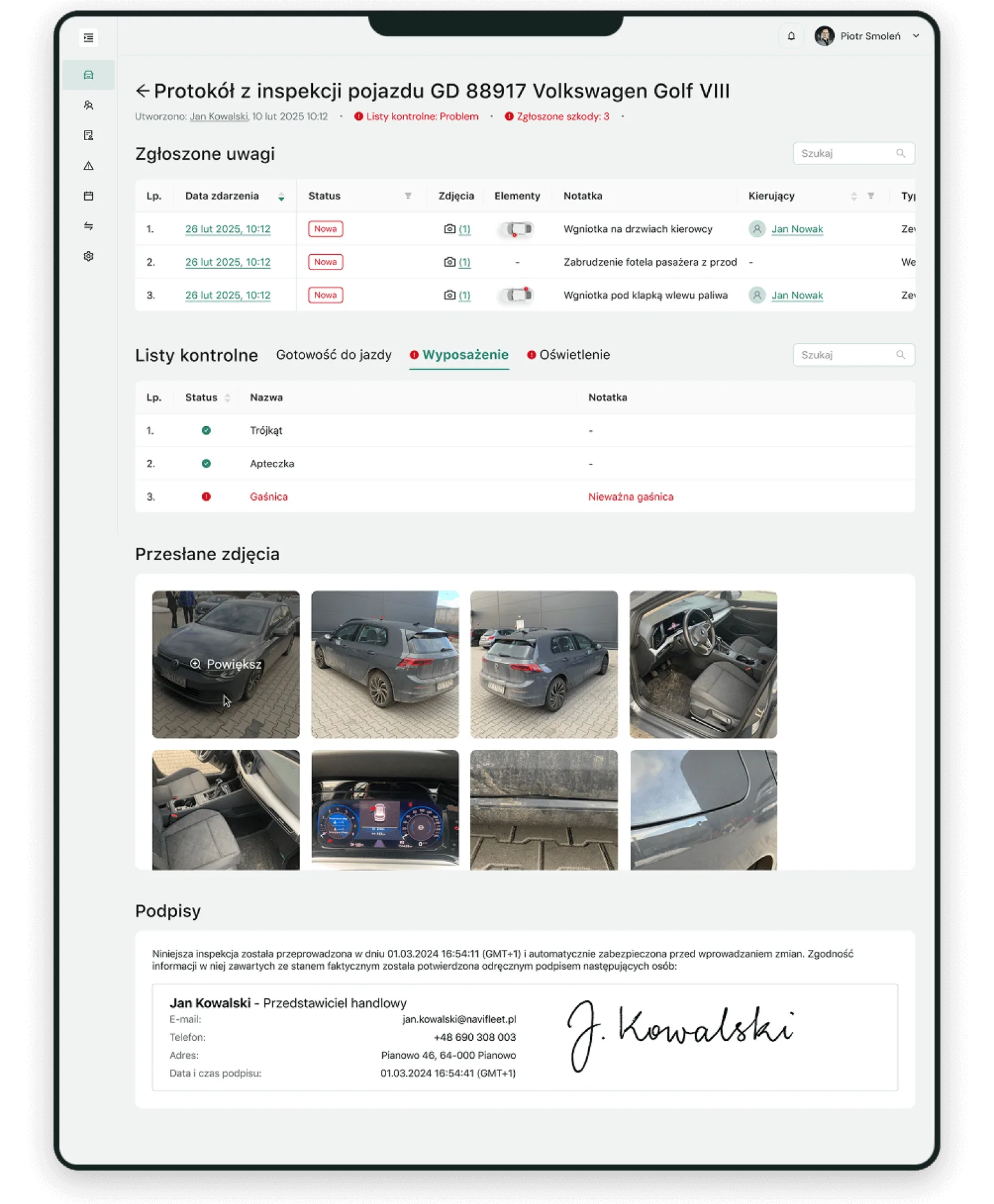
Fleet management systems offer a broad range of features, such as: vehicle location monitoring (GPS lets you track vehicles in real time), route optimisation (analysing routes to cut fuel use and journey time), fuel consumption management (controlling fuel spend and spotting inefficiencies), scheduling technical inspections (service reminders, which reduce the risk of breakdowns), reporting and data analysis (detailed reports on how the fleet performs), driver management (monitoring driving style, working time and rest periods). Practice shows that an intuitive fleet management app brings measurable returns to the company using it.
Why use a fleet management system?
Using one brings a number of benefits, such as: lower operating costs (better fuel management and route optimisation), higher efficiency (faster job completion and better coordination), better safety (control over driving style and inspections done on time), better organisation (vehicle and driver data in one place). Investing in good software for fleet managers lets companies run their fleets better.
Who is a fleet management system for?
It is for companies that run company vehicles: transport and logistics firms whose goals include effective transport fleet management, courier and delivery companies, organisations with large company fleets, and vehicle rental firms.
What extra features do fleet management systems usually have?
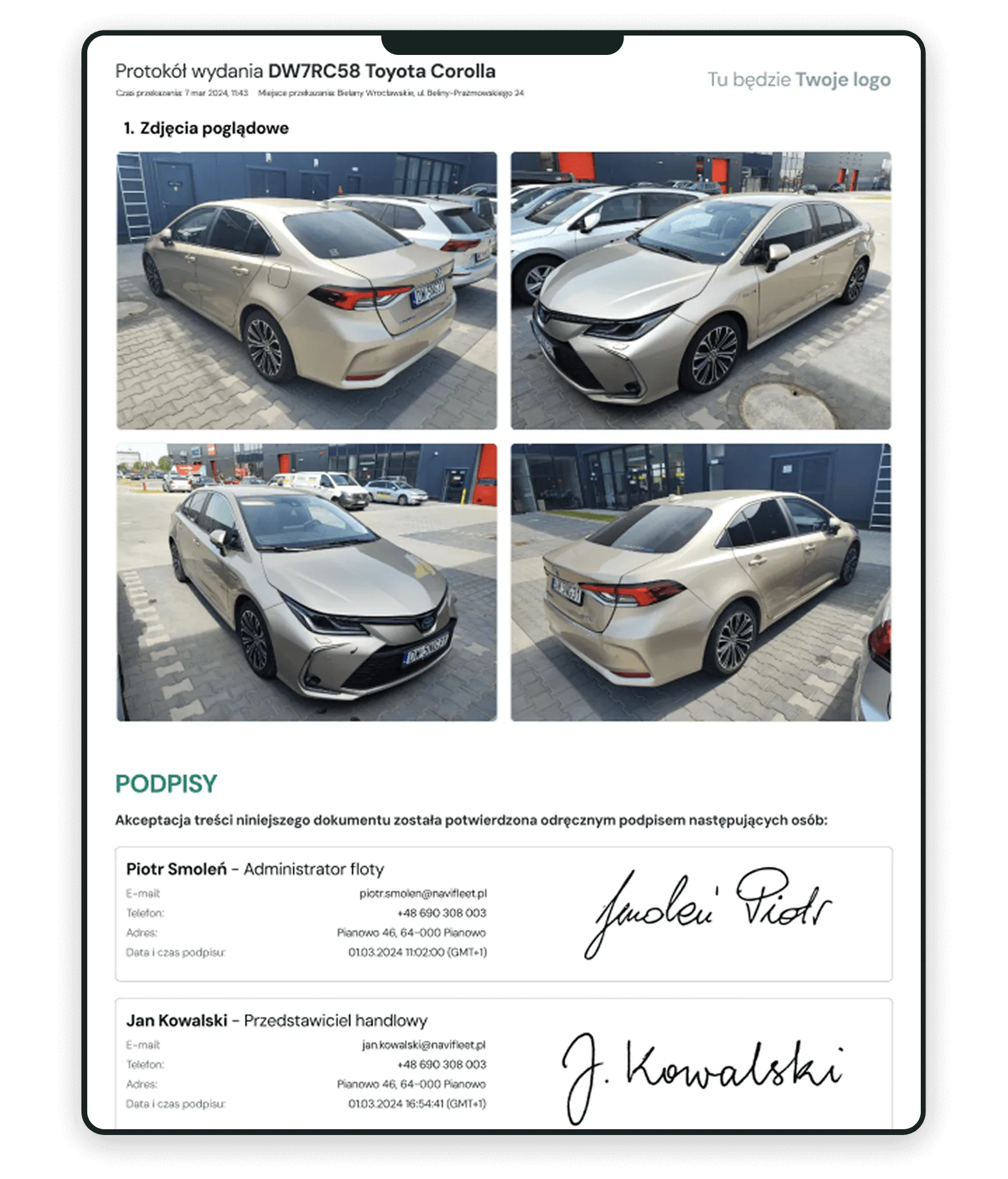
Besides the basics, much fleet management software offers: anti-theft protection (alarms, remote engine immobilisers), document management (storing insurance policies and lease agreements), integration with other systems (the option to connect to ERP or accounting systems).
Is rolling a fleet management system out complicated?
Rolling a fleet management system out is usually simple and quick. Most vendors provide technical support and training, which makes adapting to the new tools easier.
What does using a fleet management system cost?
That depends on the software you choose, the size of the fleet and any extra features. Pricing may be a monthly subscription or a one-off licence fee.
Can a fleet management system help the environment?
Yes, a capable fleet app lets a company do its bit for the environment. By optimising routes and managing fuel consumption, fleet management systems help cut CO2 emissions and the fleet's environmental impact.
What are the trends in fleet management?
What matters more and more today: telematics and IoT (advanced sensors monitoring vehicle condition), process automation (artificial intelligence and big data in fleet analysis), sustainable transport (bringing electric and hybrid vehicles into fleets).
A fleet management system is a key tool for companies that want to work more efficiently, cut costs and make their fleet safer. It is an investment that pays for itself quickly and brings measurable benefits to the whole organisation.
4. What does a fleet manager do?
A fleet manager is the person responsible for a company's vehicle fleet. Their main tasks are overseeing how the fleet is used, optimising costs and making sure everything is safe and compliant. The role is common in transport companies, but it exists in other sectors too — manufacturers with vehicles for moving materials or products, for instance. There the job also covers transport coordination and internal logistics.
What are a fleet manager's key duties?
The basics of the job are: vehicle fleet management (planning the purchase, lease and sale of vehicles), cost optimisation (controlling spending on fuel, servicing and insurance), overseeing how the fleet is used (planning inspections, repairs and parts replacement), document management (keeping track of insurance policies, inspections and registrations), monitoring regulatory compliance (keeping the fleet compliant with legal and environmental rules), driver training (teaching staff to drive safely and economically).
What skills does a fleet manager need?
A good fleet manager needs: analytical skills to track costs and fleet performance, knowledge of the vehicle market and transport regulations, negotiating skills for dealing with suppliers and workshops, organisational ability and experience of managing a team, and familiarity with telematics systems and fleet monitoring tools.
What tools does a fleet manager use?
A fleet manager works with a range of systems, such as: fleet monitoring software (GPS systems, telematics), databases and ERP systems (for managing documents and reporting), fuel management apps (controlling consumption and optimising costs).
Why is the fleet manager's role so important?
Managing and overseeing a fleet well lets a company lower running costs, make drivers and vehicles safer, raise operational performance, and keep up with regulations and environmental standards.
Which vehicles does a fleet manager look after?
A fleet manager handles all sorts of vehicles: company cars, vans and trucks, construction and specialist machinery, and electric and hybrid fleets. The role covers every vehicle in the company, whatever the type, to keep them all working efficiently.
What challenges does a fleet manager face?
The biggest ones are: rising fuel prices and running costs, changing legal and environmental regulations, optimising logistics and routes, and introducing modern technology and digitising the fleet so it can be managed more effectively.
A fleet manager is essential in transport and logistics companies and in any organisation with a fleet. The role covers overseeing how the fleet is used, optimising costs, keeping it safe and keeping it compliant. Managing a fleet well means savings, better operational performance and better organised work. An effective way to support this kind of specialist day to day is to invest in modern software for fleet managers.
5. Which technologies and tools does a modern fleet management system use?
Modern fleet management systems rely on advanced technology that improves operational performance and safety while cutting costs. Here are the key ones.
Fleet telematics
Telematics is the foundation of modern fleet management. It brings together GPS, wireless communication and vehicle electronics, which makes it possible to: monitor vehicle location in real time, analyse how drivers drive, and track fuel consumption and vehicle condition. Telematics helps optimise routes, improve safety and reduce operating costs.
The Internet of Things (IoT) in fleet management
The Internet of Things (IoT) collects data from sensors fitted in vehicles. IoT makes it possible to: monitoring technical parameters (tyre pressure, engine temperature, fuel level and so on), early fault detection, plan maintenance based on the actual condition of the vehicles. IoT reduces the risk of breakdowns and downtime, which makes the fleet more reliable.
Predictive maintenance systems
Predictive maintenance uses telematics and IoT data to predict failures before they happen. Analysing that data lets you: schedule servicing at the most convenient time, cut the cost of unplanned repairs, and extend vehicle life. The fleet works more efficiently and downtime is kept to a minimum.
Big data analysis and artificial intelligence (AI)
Big data and artificial intelligence (AI) play a growing role in fleet management. They make it possible to achieve: big data analysis (generated by the fleet), forecasting service needs, optimisation of routes and fuel consumption, driver identification showing dangerous behaviour. AI supports better operational decisions, which makes the fleet more efficient and safer.
Fuel management systems
Modern fleet management systems use technology for monitoring fuel consumption. This makes it possible to: identifying fuel abuse, optimising running costs, and improving vehicles' energy efficiency. With them, companies can cut fuel spending considerably.
Cloud-based fleet management systems
Cloud platforms let you manage a fleet online from anywhere in the world. They offer: remote access to fleet data, easy integration with other IT systems, and real-time updates. Cloud fleet management brings more flexibility and better control over operations.
Modern fleet management technologies and tools, such as telematics, IoT, big data, AI and cloud systems, considerably improve the efficiency and safety of fleet operations. Adopting them brings measurable benefits: lower costs, better service planning and more reliable vehicles.
6. Does fleet management software support remote monitoring and control of vehicles?
A fleet management system is advanced software that lets companies monitor and control their fleet in real time. Using GPS and telematics, it collects data about the vehicles and how they are used, which translates into optimised costs, better safety and stronger operational performance.
What features do fleet management systems offer?
They include: remote vehicle location tracking (with GPS, fleet managers can see where vehicles are at any moment, which means a faster reaction when something goes wrong and better route planning), driver behaviour analysis (the system collects data on speed, braking and acceleration, so you can monitor how drivers drive — which improves safety and lowers fuel consumption), fuel consumption monitoring (remote monitoring keeps track of fuel spending, which helps optimise the fleet's operating costs), route planning (a fleet management app optimises routes so vehicles reach their destination as quickly as possible, which lowers costs and improves efficiency).
Do fleet management systems support geofencing?
Yes, many online fleet management systems offer geofencing. You draw virtual zones on the map and the system notifies the fleet manager automatically when a vehicle enters or leaves one. That is particularly useful in busy areas or places that require special permits.
What do remote monitoring and control actually give you?
Cost optimisation (monitoring fuel consumption and driving style, and planning routes, lets companies reduce operating costs), safety (remote control means a faster reaction to the unexpected, such as breakdowns or accidents — and monitoring driving style improves safety too), higher efficiency (fleet management software optimises drivers' work and plans routes better, which means vehicles are used more effectively and jobs take less time), tracking service deadlines (a fleet management system can also act as a deadline tracker, reminding you automatically about technical inspections, which keeps vehicles in good condition and reduces the risk of breakdowns).
Do fleet management systems allow remote communication with drivers?
Yes, modern systems support two-way communication. Managers can pass on instructions quickly and drivers can report problems or needs. That makes work more efficient and safer, especially in an emergency.
What are the main advantages of using a fleet management system?
Fleet management systems deliver: better control of the fleet (they monitor every vehicle and its parameters in real time), lower costs (through route optimisation, fuel monitoring and driving style), safety (they allow a faster reaction when something happens to a vehicle or a driver), higher efficiency (better vehicle management, optimised processes and better organised work).
Fleet management systems definitely support remote monitoring and control of vehicles. With advanced telematics, GPS and features such as geofencing or driving style analysis, fleet managers can oversee how the fleet is used, manage its vehicles effectively, optimise costs and improve safety. Such tools are invaluable in any industry.
7. What are the most common challenges in fleet management, and how do you overcome them?
Fleet management takes experience, but also the right tools and technology. With markets moving quickly and expectations rising, a fleet manager faces a whole range of challenges.
Fleet running costs
The cost of running a fleet can rise fast, especially when the fleet is large and not managed well. How do you deal with that? Route optimisation — modern GPS systems and route management software pick the most efficient roads, which cuts fuel use and journey times. Regular vehicle servicing — regular inspections and maintenance extend vehicle life and minimise the cost of repairs and breakdowns. Driver training — training in economical driving cuts fuel consumption considerably and reduces the number of accidents.
Fleet monitoring
Without the right monitoring tools, companies struggle to control how the fleet performs. The answer is telematics systems, which track vehicle location in real time, along with driving style analysis, which spots problems caused by inefficient driving early.
Vehicle theft
Vehicle theft is a serious risk, particularly for smaller companies. What helps: the use of GPS systems (GPS trackers fitted in vehicles mean a stolen vehicle can be found quickly) and vehicle monitoring (monitoring the fleet's condition and location regularly gives you more control and a faster response to a theft).
Cost control
A good answer is putting cost monitoring systems in place — fleet management software lets you analyse every cost of running the vehicles — and optimising fuel consumption using real-time monitoring tools.
Choosing vehicles and educating drivers
The wrong vehicles mean the fleet is used inefficiently — what helps is an analysis of the company's needs and fleet flexibility (regular reviews and adjusting to changing needs). Untrained drivers generate higher costs, so it is worth investing in regular training in safe and economical driving, as well as supporting drivers' professional development.
Telematics systems, regular servicing, route optimisation and a range of other measures make a fleet easier to manage and remove the most common problems. With them in place, companies gain more control over their fleet and reduce the risks around cost and performance.
8. How does fleet management affect a company's operating costs?
Fleet management is one of the main things that drives operating costs in any company with its own vehicles. Optimising how those vehicles are used can bring considerable savings, better efficiency and less risk.
Managing a fleet well lowers fuel consumption considerably. GPS and telematics make it possible to plan the best routes and avoid congestion and unnecessary delays. Monitoring driving style identifies inefficient habits — harsh acceleration, driving too fast — that push consumption up.
Telematics has an enormous effect on operating costs: you monitor not just fuel, but vehicle condition, drivers' working time and other parameters that drive fleet efficiency. Regular reports make overseeing the fleet more effective, speed up decisions and lower servicing costs by catching vehicle problems early.
Fleet management also affects safety, and safety affects insurance. Training drivers and monitoring how they drive reduces accidents and damage, which in turn lowers premiums.
Route optimisation is one of the most important parts of fleet management: fuel use falls and drivers' time is used better. Regular maintenance, meanwhile, avoids expensive emergency repairs and long periods off the road.
Managing a fleet well improves profitability. Lower spending on fuel, repairs and insurance, plus better use of the vehicles, brings operating costs down, while optimised transport processes raise output and profit.
9. How does fleet management software support strategic business decisions?
Modern fleet management systems are a powerful aid to strategic decisions across the whole company. With advanced technology and data analysis, fleet managers make better-informed decisions that lower costs, raise performance and improve safety.
Route optimisation and logistics planning
Advanced systems analyse journeys and plan the most efficient roads as you go. The benefits: lower fuel costs, faster deliveries, happier customers.
Monitoring vehicle and driver performance
Analysing driving style, fuel consumption and vehicle condition supports decisions about maintenance, driver training and fleet renewal. The benefits: more efficient vehicles, safer drivers, lower operating costs.
Lower operating costs and better safety
Analysing fuel use, maintenance and driving style optimises operating costs. Monitoring how drivers drive and spotting risky behaviour reduces accidents and lowers insurance costs.
Support for investment decisions and compliance
Analysing vehicle condition and running costs helps companies plan fleet renewal cycles and new purchases. Automatic alerts about inspections or drivers' working time minimise the risk of sanctions and fines. Integration with technologies such as IoT allows even closer monitoring and more precise forecasts.
A fleet management system is not just an operational tool but a key support for strategic decisions. A modern one is an investment that contributes to a company's long-term success.
10. Can a fleet management system be integrated effectively with other IT systems in the company?
Yes. A Fleet Management System (FMS) can be integrated with other IT solutions, and that brings a range of benefits. Connecting an FMS to ERP (Enterprise Resource Planning), GPS, CRM (Customer Relationship Management) and other tools automates processes, improves fleet management and raises operational performance.
What do you gain by integrating an FMS with other IT systems?
Process automation — integration with ERP posts vehicle running costs such as fuel, repairs and servicing automatically, which means less manual data entry and fewer mistakes. Route optimisation — connecting an FMS to GPS gives real-time vehicle locations, which saves fuel and time and improves safety. Better customer relationship management — integrating an FMS with CRM gives better control over the history of customer contacts and supports more effective delivery planning.
What are the challenges of integrating an FMS with other IT systems?
The complexity of the integration process — integrating different IT systems takes technical skill and experience, which may mean extra cost and time. Adapting to a company's specific needs — every company has its own requirements, which may call for changes both to the FMS and to the other systems. Data security — integrating several systems means sensitive data travels between them.
Integration with ERP, GPS or CRM automates cost posting, tracks journeys in real time and improves customer relationship management. The benefits are many, but so are the challenges: adapting the system to the company and keeping the data secure.
11. What does rolling a fleet management system out look like?
The first stage of rolling a fleet management app out is an analysis of the company's needs. You answer questions about the number of vehicles, the kind of business, and the safety and reporting requirements. Only once those needs are clear do you choose the system.
The system has to offer what the company needs: GPS monitoring, route planning, document management, telematics integration and real-time reporting and analysis. The decision should also take into account how easily it connects to the systems the company already runs.
For the system to work, staff need proper training in the new software: basic use of the system (how to enter data, generate reports and use the monitoring features), how to use the mobile apps (particularly for drivers) and managing documents and data. After the rollout, a testing phase under different operating conditions is recommended.
Once it is live, the things to monitor are: vehicle efficiency, route optimisation, driver safety and vehicle condition. The long-term benefits are: lower operating costs, better operational performance, improved safety and better control over the fleet. What the rollout costs depends on the number of vehicles, the scope of the system and any integrations — but the savings can repay the investment quickly.
12. How does a fleet management system affect driver and vehicle safety?
A fleet management system improves driver safety by monitoring how people drive and detecting potentially dangerous behaviour. Telemetry tracks speed, harsh acceleration, braking and cornering. From that data, fleet managers identify drivers who take risks and plan the right training and awareness campaigns.
Advanced monitoring detects a range of risky behaviours: speeding, harsh braking, sudden acceleration, changing lane without indicating, and driving in poor weather without adapting. Modern systems often include driver fatigue monitoring too — cameras and sensors watch for signs of tiredness or lapses in concentration.
Fleet management systems monitor vehicle condition continuously: fuel level, tyre pressure, engine condition and other mechanical parameters. Continuous diagnostics catch faults sooner and let repairs be scheduled, which reduces the risk of a breakdown on the road.
Many systems integrate with advanced safety technology, such as: lane departure warning, adaptive cruise control and automatic emergency braking. Adopting these means: more aware drivers, fatigue prevented, breakdowns avoided, fewer accidents and collisions, and lower repair and insurance costs.
13. Does a fleet management system support task planning for fleet staff and specialists?
The answer is clear: yes. Modern fleet management systems offer advanced planning tools that help both fleet staff and fleet specialists organise their work.
Route planning and assigning tasks
With real-time monitoring, fleet managers assign tasks to particular vehicles and drivers along the best route. Work gets done faster and more efficiently, and the risk of delay goes down.
Real-time vehicle location tracking
Fleet staff and specialists can check where their vehicles are at any moment and adjust the schedule if they need to.
Optimising work through data analysis
Fleet management systems collect and analyse data on driving style, fuel consumption, downtime and much more. That information supports better forecasting of completion times and keeps unnecessary operating costs down.
Automation and notifications
Fleet staff receive notifications about scheduled tasks, which can be assigned to the right vehicles and drivers automatically. Automatically generated reports and reminders help manage the work, save time and reduce human error.
With advanced features such as route planning, vehicle tracking, data analysis and process automation, fleet specialists can raise operational performance considerably. Fewer mistakes are made, completion times improve, and that means lower operating costs and better service.