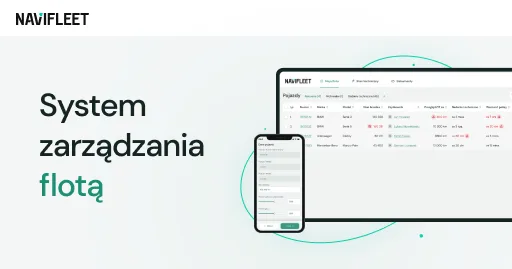
Implementing a fleet management IT system is one of the key processes for companies that run cars, vans and lorries. The right approach delivers operational efficiency, lower costs and better safety for drivers and vehicles. The key challenge is to strike a balance between the perspective of the vendor, who knows what the system can do, and the perspective of the client, who has clearly defined needs arising from the company's business.

Every project to implement an IT system of this kind has key implementation stages, which you will learn a little more about in this article.
STAGE I. Analysis of the client's needs
The key starting point for implementation is identifying the client's needs. This covers:
- current fleet management challenges,
- organisational goals (e.g. cost optimisation, better efficiency, greater safety),
- the desired system functions (e.g. fuel consumption monitoring, process automation, integration with the existing IT infrastructure).
Understanding the specifics of the fleet manager's business, in turn, allows the technology to be tailored to real challenges, which increases operational efficiency and helps achieve the intended goals.
Fleet managers often face the following challenges:
- no full control over costs: spending on fuel, servicing or insurance can grow unnecessarily for lack of precise data analysis,
- difficulty enforcing the fleet policy: it is hard to monitor how drivers follow the vehicle usage rules,
- inefficient route planning: routes that are too long or sub-optimal generate financial losses and reduce productivity,
- low use of telematics data: the technology is often implemented but not used to the full, because there is no strategy or training for users.
Remember: the system vendor should take these problems into account, adapting the functionality of its tool to the specifics of the business.
When identifying needs, it is important to define the goals of the implementation.
- cost optimisation: cutting spending through better management of fuel, servicing and insurance,
- better driver safety: implementing driving style analysis tools and training for employees,
- process automation: less time spent on manual reporting and planning,
- greater operational efficiency: better route organisation, access to real-time analytics, faster decision-making.
Remember: the system vendor should demonstrate how its solution delivers these goals.
Matching system functions to the client's needs
A fleet manager often has specific expectations that stem from the nature of their company. This means the vendor should propose a tool not only on the basis of general benefits, but also in terms of specific functions, e.g.:
- fuel consumption monitoring, for fleets aiming to minimise operating costs,
- integration with the accounting system, for companies that want to analyse leasing or servicing costs automatically,
- automatic reporting, for companies that need fast analysis of results for managers.
Remember: the vendor should make sure the system is not merely a "technical novelty" but a real tool that improves day-to-day fleet operations in line with the fleet manager's expectations.
Dialogue between the vendor and the fleet manager
For the needs analysis to be effective, cooperation between the system vendor and the fleet manager is key. Many implementations fail because the vendor focuses on the system's technical capabilities and the fleet manager on the everyday problems of their company.
It is therefore worth putting in place:
- workshops and meetings before implementation, to discuss the fleet manager's real expectations and the vendor's capabilities,
- system tests in a real environment, with a trial implementation on a selected group of vehicles before full roll-out,
- flexibility in tailoring the system, with the option of extending functionality to the client's specific requirements.
STAGE II. Tailoring the solution to the company's specifics
The software vendor should not only present its product's functions but tailor the system to the client's industry requirements. It is key to run demonstration tests that verify whether the system meets the assumptions of the company considering the investment.
Every company that manages a fleet has unique needs arising from the nature of its business, its organisational structure and its cost strategy. That is why tailoring the IT system to the client's real requirements is the foundation of a successful implementation. Standard solutions are often not enough, and the success of the implementation depends on the ability to adapt the technology to the company's specifics.
- Fleet characteristics in different industries
A fleet management system should match the industry the client operates in. There are significant differences in fleet management between sectors, for example:
- transport and logistics: route optimisation, fuel consumption analysis, precise GPS tracking and automation of transport orders are key.
- retail and distribution: reports on delivery times and loading efficiency, and integration with order systems, matter most.
- company and corporate fleets: the priority is control of vehicle use, analysis of leasing costs and reporting on compliance with the fleet policy.
The system vendor should tailor the tool's functionality to the client's business so as to make the most of the technology's potential.
- Integration with the company's existing systems
One of the key challenges is integrating the new fleet system with the IT tools currently in use. The implementation must not disrupt business processes; it should work with accounting systems, ERP, CRM and order platforms.
The most common areas of integration include:
- synchronisation of cost data: the fleet system should send information to the client's financial tools to enable spending control,
- automatic reporting: data on routes, fuel consumption and driving style should be readily available in the company's other systems,
- integration with telematics systems, so that data from GPS and vehicle sensors is analysed by fleet managers immediately.
- Personalising functions to the fleet manager's needs
Clients expect a system that solves specific operational problems, not one that merely offers a set of standard functions. Failed implementations often result from a lack of personalisation.
The vendor should work actively with the fleet manager to tailor the solution to their strategy, e.g.:
- the ability to define custom reports and indicators,
- a user interface adapted to the realities of the team's work,
- analytics modules suited to the way the fleet is managed in the company.
- Flexibility in scaling the system
Company growth brings changes in the fleet structure, so the system should be scalable. The key aspects are:
- the ability to add new vehicles and drivers without losing system performance,
- integration of new technologies and functions as the business develops,
- support for different leasing, rental and ownership models.
The vendor should anticipate the client's future needs so that the implemented system does not need to be replaced straight away after a few years.
STAGE III. Implementation planning
Drawing up an implementation schedule is key to success. It requires synchronisation between the vendor's technical team and the client's operations team. The most important aspects are:
- phased roll-out of functions: gradual implementation allows errors to be eliminated and staff to be trained,
- integration with existing systems: key to the company's operational continuity,
- preparation of the IT infrastructure: checking compatibility with the client's devices and network.
A successful implementation of a fleet management IT system requires precise planning that eliminates the risk of delays and unforeseen costs. The lack of a coherent implementation strategy often leads to user frustration and low system effectiveness. It is therefore worth applying a phased implementation methodology that allows the solution to be matched effectively to the company's operational processes.
- Drawing up the implementation schedule
The implementation should be planned carefully so as not to disrupt the work of the fleet and the logistics department. The key implementation stages should include:
- preparing the IT environment: checking the system's compatibility with the company's technical infrastructure,
- a pilot implementation on a selected group of vehicles: testing the system on a limited scale before full roll-out,
- gradually extending functionality: rolling out successive modules instead of launching everything at once,
- training and support for users: preparing the fleet team to use the system effectively.
Splitting the implementation into stages allows the effects to be monitored on an ongoing basis and potential problems to be eliminated before they affect the whole fleet.
- Synchronising the technical and operations teams
One of the main mistakes in implementations is a lack of communication between the vendor's IT team and the fleet manager's team. To avoid problems, it is worth putting in place:
- regular coordination meetings, to set priorities and verify that the system matches the client's real needs,
- mapping of fleet processes: the vendor should understand the company's operational structure and tailor the solution,
- user testing of key functions: before the system is rolled out widely, the fleet manager should be able to test it in everyday tasks.
- Managing budget and time
At this point it is worth mentioning underestimated implementation costs, which can lead to the implementation being prolonged or key functions being dropped. To avoid this, you should:
- define the scope of the implementation precisely: identify the key system modules and priority functions,
- identify hidden costs, e.g. spending on training, integration with external systems or technology updates,
- monitor the budget on an ongoing basis: real-time cost reporting helps avoid unexpected expenses.
Good practice when planning an implementation is to include a time and cost margin (a buffer) for any additional needs that may arise during implementation.
- Preparing the IT infrastructure
Inadequate technological preparation often delays system implementation. To avoid problems, make sure that:
- the client's servers and IT systems are compatible with the new software,
- the vehicles are fitted with the appropriate telematics devices, if the system requires integration with GPS or vehicle sensors,
- the client's IT team is prepared to manage the new technology; it is worth holding technical workshops before implementation.
STAGE IV. User training
Although technology is key, ultimately it is people who use it. Training for the fleet manager and their team should be tailored to employees' daily duties and cover:
- operating the system in the context of real fleet operations,
- analytics and reporting capabilities,
- solving technical and operational problems.
One of the key factors in the success of a fleet management system implementation is proper user training. Even the most advanced tool will not deliver the expected benefits if employees cannot use it effectively. Lack of proper training leads to low technology adoption, which means the system's capabilities are not fully used.
- Stages of user training
For the implementation to be effective, it is worth dividing the training process into several stages:
a) initial training for management
The fleet team should first understand the strategic benefits of the system before it is rolled out widely. Training for managers should cover:
- the system's key functions,
- analytics and reporting capabilities,
- integration with the company's other IT tools,
- methods of monitoring the effectiveness of the implementation.
b) training for drivers and system users
Bear in mind that drivers are often reluctant about new technologies, especially if they involve additional control over their work. Training should therefore be practical and tailored to their daily duties, covering:
- using the mobile app and reporting routes,
- driving style analysis and its impact on fuel consumption,
- using the driver identification function,
- the rules of compliance with the company's fleet policy.
c) practical workshops and system tests
Remember that the best implementations are those that include practical system tests. It is worth running:
- a pilot implementation on a selected group of users,
- simulations of real fleet scenarios,
- Q&A sessions where users can raise questions and concerns.
- Personalising training to the company's needs
Every fleet has individual requirements, so training should be tailored to the specifics of the company's business. The most common implementation mistakes stem from a generic approach to training that ignores the real challenges fleet managers face.
The system vendor should:
- adapt the training to the company's organisational structure,
- take the specifics of the industry into account, e.g. transport, retail, services,
- provide technical support after implementation so that users can raise questions and problems.
- Monitoring the effectiveness of training
Be aware that training does not end with the first workshops; the effectiveness of the implementation needs to be monitored on an ongoing basis. It is worth putting in place:
- a system for reporting errors and problems,
- regular check-in meetings to verify that users are using the system as intended,
- additional training for new employees to ensure continuity of knowledge in the company.
STAGE V. Testing and optimisation
The last stage of implementing a fleet management system is testing and optimisation, which allow errors to be detected, functionality to be adapted to users' real needs and operational efficiency to be maximised.
NOTE: poorly conducted tests can lead to problems in the day-to-day use of the system, so it is worth adopting a strategy of testing in real fleet conditions.
- Pilot implementation on a selected group of vehicles
The best implementations start with tests on a limited scale. Before the system is rolled out to the whole fleet, it is worth running pilot tests on a selected group of vehicles, which allows you to:
- verify key functions in real operating conditions,
- identify errors and imperfections that may affect the system's effectiveness,
- gather user feedback to adapt the interface and functionality to their needs.
- Data analysis and reporting
Tests should be based on real fleet data, not just theoretical scenarios. It is worth putting in place:
- monitoring of system effectiveness: analysis of reports on fuel consumption, drivers' driving style and route optimisation,
- comparison of results before and after implementation: checking whether the system really improves operational efficiency,
- identification of areas for improvement, e.g. adjusting route optimisation algorithms or integration with other IT systems.
- Optimisation based on tests
Once testing is complete, it is worth implementing an optimisation process that allows the system to be adapted to fleet managers' real needs. The most common implementation mistakes stem from a lack of flexibility, so it is worth:
- adapting the user interface to the fleet team's preferences,
- optimising the data analysis algorithms so that reports are more precise,
- introducing additional functions that can make fleet management more effective.
- Continuous improvement of the system
System implementation is a continuous process that requires regular analysis and adjustment of functionality. It is worth putting in place:
- periodic reviews of system effectiveness,
- technology updates that allow new solutions to be integrated,
- user training to ensure the system's capabilities are used to the full.
Differences in approach between vendor and client
While the vendor focuses on the system's technological capabilities, the fleet manager expects practical solutions that fit their operational processes. The key differences may concern:
- the way data is monitored: the vendor presents broad functionality, but the fleet manager needs specific reports tailored to their needs,
- integration with other systems: the client may already use existing software that requires synchronisation.
- costs and budget: the vendor may propose advanced options that do not always fit the fleet manager's budget.
NOTE: unresolved differences in approach lead to failed implementations, which can result in a misguided investment and dissatisfied users.
Recommendations: how to introduce a new system successfully
For the implementation to be effective, it is worth following these principles:
- transparent communication: regular meetings between the vendor's and the client's teams eliminate misunderstandings,
- gradual implementation: rolling out the system in stages allows a quick response to problems,
- monitoring of results: ongoing analysis and optimisation make it possible to achieve the set goals,
- adaptation to the client's business realities: the implementation should take account of the specifics of the fleet industry,
- management of budget and time: realistic deadlines and cost control prevent excessive spending.
Summary
The biggest implementation challenges arise from the differences in approach between the vendor and the fleet manager. Success requires flexibility, a realistic analysis of needs, gradual implementation and continuous improvement of the system. That way the technology not only supports fleet management but becomes an essential element of optimising the company's costs and operational efficiency.
If you are planning to buy an IT system for your fleet, remember to follow the right implementation path, during which you will need patience, thoroughness and a partnership approach to cooperation.
 Piotr Litwin
Head of Logistics & Lean Coordinator at OCEANIC
For more than 20 years he has combined logistics management with fleet operations. He started with truck fleets of over 100 vehicles delivering food products, and in later years successfully led the transition from owned fleets to fleets managed under long-term leases.