Our daily work is above all about contact with customers, whether we work in sales, technical support or finance. Every employee takes plenty of phone calls and answers e-mails every day. During these conversations (often very long ones) we come across various myths about GPS tracking services. Despite the fact that GPS systems are becoming ever more popular and their functionality is constantly being extended with new useful features, many people still hold mistaken, one might say mythical, beliefs. In this post I will present the 5 most common "myths" and my counterarguments.
1. GPS tracking systems are expensive!
No, no, that is not true. Many companies providing GPS tracking services have appeared on the market, so competition has grown considerably and prices have fallen significantly in recent years. Implementing a fleet management system alone reduces company costs and increases productivity. You cannot control fuel prices, but you can control fuel consumption (at least to some extent). Modern GPS tracking systems have modules that allow precise control of most vehicle parameters, including fuel control, consumption and eco-driving, i.e. factors that can significantly reduce costs. The reality is that the cost of implementing GPS tracking pays for itself within the first months of use.
2. Small companies don't need fleet management systems!
Size does not matter – anyone can use a GPS tracking system for their fleet. Whether you have 5, 50, 500 or more vehicles, the advantages remain the same: you can track their position on the map, plan routes better, control fuel, and increase efficiency while reducing costs. GPS tracking effectively supports the work of any business.
3. All companies offer the same range of services!
It is true that there are many companies providing GPS tracking services, and at first glance the systems they offer may seem similar, but that is only an illusion. Yes, they all allow live viewing of vehicles on the map (I hope), but functionality is another matter: some systems are limited to basic features and reports, while others keep pace with modern technology, offering ever newer features and solutions. Not every company provides technical support after the purchase, or is able to adapt to the customer's needs. A reputable provider will give you all of these.
4. GPS tracking is an invasion of employees' privacy!
This is one of the most common problems faced by managers of companies implementing GPS tracking. In reality, an honest employee has nothing to hide and should not fear such solutions. The main purpose of implementation is above all to increase efficiency. Besides, GPS systems also improve driver safety, because drivers no longer have to use their mobile phones to inform their superior of their location or of a completed delivery, etc.; in addition, the cars are better protected against theft. Every fleet management system also serves as a tool for verifying the work done.
5. The systems are complicated and learning to use them takes too much time!
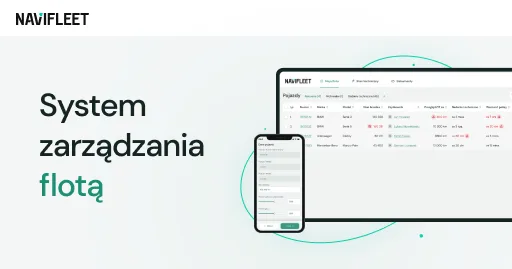
Although installing the system takes some time, using it is in most cases very simple. In the age of modern technology, systems are becoming ever more intuitive and interfaces more user-friendly. As for learning the system, it depends on the provider; when designing the Navifleet system we tried to simplify our interface as much as possible to make it user-friendly, so that the system can be used by anyone without any problems. It is also important to check whether the provider offers a mobile app, so that all vehicle information is also available from a tablet or smartphone, even when you are not in the office. And generally speaking – all systems are designed to save time.