
This article covers Polish regulations and market practice. The principles apply elsewhere, but check the rules in your country.
The introduction of the e-TOLL system caused a great deal of speculation in the transport industry and beyond. One of the most frequently asked questions is how to operate the e-TOLL system. Many companies opt for an e-TOLL device, a proven solution.
The next dilemma concerns the type of e-TOLL device itself. With this article we want to simplify the choice by comparing the available options with their strengths and weaknesses. This will let you choose a solution tailored to your fleet's needs.
What is the e-TOLL toll collection system
e-TOLL is the road toll collection system introduced last year, replacing the previous viaTOLL system. It applies on roads managed by GDDKiA (the General Directorate for National Roads and Motorways). The system is run by KAS (the head of the National Revenue Administration).
Under the Ministry of Finance regulation, e-TOLL is mandatory for vehicles with a gross vehicle weight above 3.5 tonnes and an optional solution for passenger cars.
The e-TOLL system: a device or the e-TOLL PL mobile app?
Along with the e-TOLL system, the official e-TOLL PL mobile app was introduced. It is used to operate the toll collection system and is an alternative to e-TOLL devices. Both solutions have their pros and cons. We compared them HERE.
GPS devices in the e-TOLL system
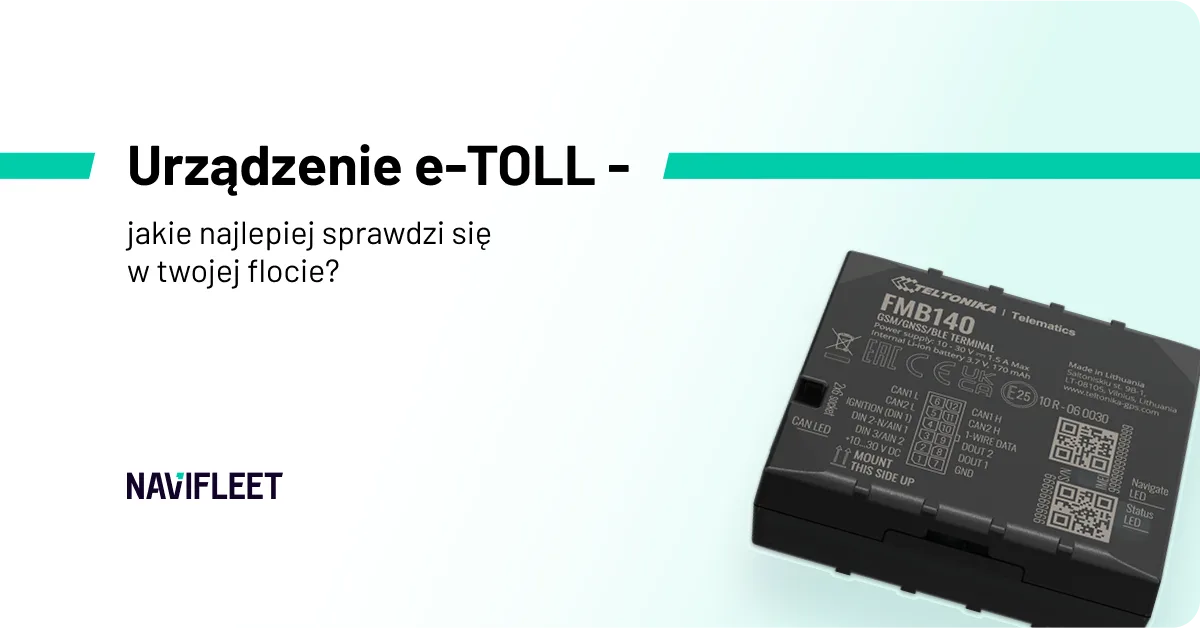
Two types of device are dedicated to operating the e-TOLL system: OBU and ZSL. Their task is to send geolocation data (the vehicle's location), on the basis of which tolls are charged. Both the e-TOLL device itself and the operator must hold the appropriate accreditation confirming compliance with the requirements of the e-TOLL road toll system. Once chosen, the devices must be registered in the e-TOLL system and assigned to a specific vehicle.
The OBU device
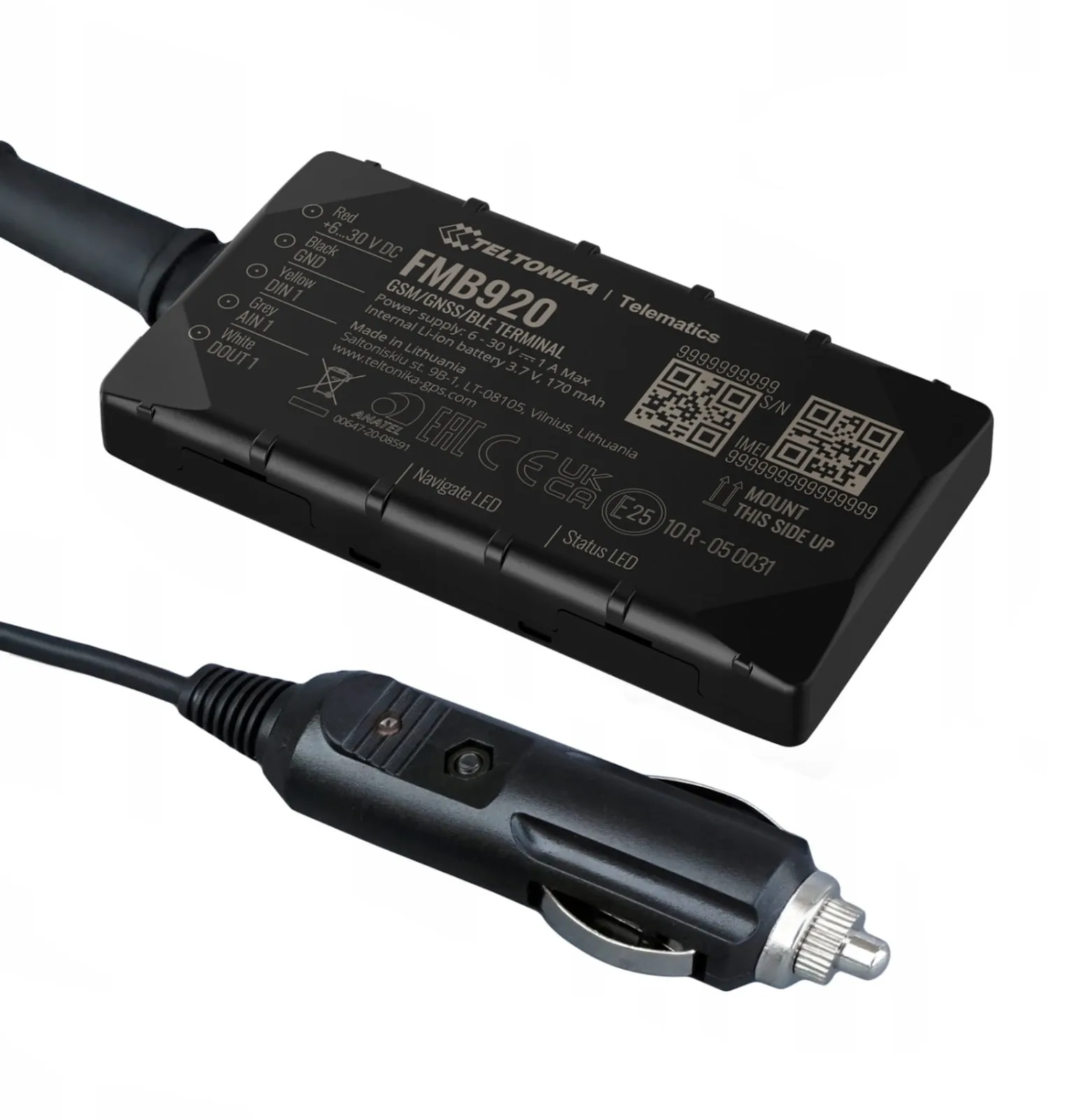
OBU (On Board Unit) is, as the name suggests, an on-board device. It sends geolocation data to the e-TOLL system via data transmission.
Installation method
An OBU device can be installed in a vehicle in three ways:
- connection to the vehicle's battery,
- connection to the cigarette lighter socket,
- connection to the OBD II diagnostic port.
The pros and cons of this solution stem directly from the device's installation methods. Here we are dealing with both useful capabilities and, unfortunately, limitations.
The OBU device: ADVANTAGES
Each of the OBU installation methods above generates practically no additional costs. The user can carry out any of the variants themselves (even connection to the battery, which seems the most complicated of them). This is undoubtedly a huge advantage of this solution.
As you can easily guess, quick installation of the device goes hand in hand with equally hassle-free removal. This lets us move the device quickly between vehicles. It is practical when none of our vehicles regularly travels on toll road sections.
For occasional journeys on toll roads managed by GDDKiA, we can connect the OBU device in whichever vehicle currently needs it. This also involves changing the vehicle assigned to the device in the e-TOLL road toll system.
By connecting the device to the cigarette lighter socket or OBD II, we also have control over the continuity of its operation. OBU devices have LEDs indicating the e-TOLL device's current status (we cannot, however, verify whether it is correctly sending the data recorded in the e-TOLL system).
Finally, it is worth adding that an OBU device is cheaper than a ZSL.
The OBU device: disadvantages
Easy removal of the device is both an advantage and a disadvantage. OBU devices are exposed to tampering by drivers. Disconnecting the device while travelling on a toll road section breaks communication with the e-TOLL system and most likely results in a penalty for the company.
The device may also switch off because the fuse for the cigarette lighter socket or OBD II has blown. In each of the cases above, the fleet manager or logistician will receive a notification of the situation.
The ZSL device
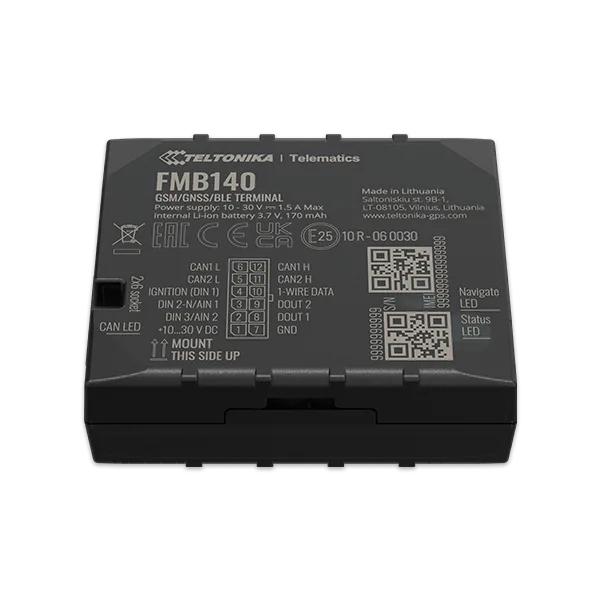
The second option is ZSL (External Location System) devices. It differs from the OBU tracker not only in the installation method but also in the capabilities it offers.
Installation method
A ZSL is a device installed directly into the vehicle's electrical system. The device can be connected to the CAN bus or the tachograph wiring. The ZSL can therefore be called a more advanced option than the OBU.
The ZSL device: advantages
Because the ZSL tracker is connected directly to the vehicle's wiring, we gain a stable connection that is not exposed to driver tampering and is more reliable than the OBU.
An LED can be attached to the ZSL tracker indicating the status of data packet transmission to the e-TOLL system. This lets the driver check on an ongoing basis that the device is working correctly.
Connecting the ZSL to the CAN bus offers great possibilities when it comes to supporting fleet management. This way we can feed the system any data on the vehicle's operation. This gives broader possibilities than satellite positioning alone.
The ZSL device: disadvantages
Connecting a ZSL device requires a professional, so unlike installing OBU devices, this process cannot be called cost-free.
Besides installation costs, the purchase cost of the devices themselves is also higher. Because of their broad application, ZSL devices are slightly more expensive than the On Board Unit.
In this case we also lose the flexibility the OBU offers. We cannot quickly remove the tracker and move it to another vehicle.
Devices for the e-TOLL system (OBU, ZSL): additional benefits
By operating e-TOLL with Navifleet devices, we get more than a reliable way of handling the electronic toll system. In the Navifleet web platform and mobile app we have access to full device diagnostics. We receive comprehensive real-time information about the device's operation and the data sent to the toll system. What is more, we can check precisely which route was sent to e-TOLL.
We wrote about the features above, and about other ways we make e-TOLL easier for users, in the article The e-TOLL system: how to use it quickly and without problems
Operating the e-TOLL system with the Navifleet solution can also be a starting point for automating other fleet processes and introducing telematics. With Navifleet, a logistician, forwarder or fleet manager can manage resources efficiently from a single application (from e-TOLL, through fuel control, to driving style analysis in light fleets and route planning in heavy transport). It is worth noting here that the ZSL device offers greater possibilities in this area than the OBU. This is due to the vehicle operating parameters read from the CAN bus (the OBU device provides geolocation data only).
You will find more about the possibilities offered by e-TOLL trackers and the Navifleet app HERE.
The e-TOLL system: which GPS tracker to choose?
Which e-TOLL device is the best choice depends above all on the specifics of the fleet in question. Before making a choice, it is important to define your needs and preferences precisely. This matters especially when, along with the e-TOLL system, we are introducing telematics into the fleet.



