If you are reading this, you are most likely looking for a way to solve the everyday problems of managing a fleet. What is more, we are sure that steering your search towards telematics has brought you closer to your goal. Implementing telematics in a light fleet means not only automating processes, but also gains in safety and in the cost of running the fleet.
But to enjoy the benefits telematics brings, the system has to be implemented in the company in a well-thought-out, efficient way. We know better than most how important this process is, because we have implemented our solutions for more than two thousand users across a range of industries. Want to improve fleet management but do not know where to start? This article is a short guide to implementing telematics in your fleet.
Step I: Defining the problems
If you are looking for a telematics solution for the fleet you manage, you are no doubt well aware of the problems it is supposed to solve. Contrary to appearances, this is a very important stage in implementing telematics systems in a company. Precisely defining your fleet's problems makes it easier to choose the optimal tool for solving them.
The responsibilities of the person in charge of a vehicle fleet are broad. They have to provide mobility for the company's employees, keep the processes relating to the company's mobile assets running smoothly and optimise the cost of running the fleet. Telematics is an enormous help in that situation.
A problem almost every fleet manager faces is controlling the mileage and refuelling of individual vehicles. Manually recording fuel invoices and relying on declared mileage are tedious processes prone to errors and to manipulation by individual drivers.
Directly linked to this is another problem: controlling employees' private use of vehicles. Here you need to verify how many kilometres a vehicle has covered for private purposes and how many for business. Verifying this without a telematics system and real-time vehicle location is very difficult. The starkest example is trying to monitor refuelling on days off using fuel card reports. It is true that we can find out that a driver filled up the car with company money in private time, but we can all guess how ineffective this method of control is. All it takes is to fill the whole tank while still at work and it goes unnoticed.
To keep the processes in the fleet running smoothly, you need accurate information on inspections, oil changes, replacement of wear parts and other servicing of the vehicles. Without telematics, such data is usually kept in Excel files, which with many vehicles is exposed to uncontrolled errors. Despite the spreadsheets, the fleet manager still has to remember each deadline.
Recently, one of the biggest challenges for companies with light fleets has been rising fuel costs. The fleet manager is increasingly burdened with the task of fuel control and cost optimisation while maintaining adequate employee productivity. In that situation you need to look at drivers' driving style. According to our data, by correcting employees' behaviour in traffic we can reduce the cost of running the fleet by as much as several tens of percent. Add to that road safety, which also depends directly on driving style. Raising drivers' competence can take various forms. Until recently it relied solely on periodic eco-driving and safe driving training. Telematics solutions and the ability to monitor driving style in real time have opened up new prospects for fleet managers in this area.
Step II: Choosing the solution
The term telematics combines telecommunications, IT and automation. A telematics system gives the user quick access to collected and processed information. Knowing the future user's problem, we can select dedicated solutions that will solve it and raise the efficiency of the processes in the fleet.
Today telematics should be treated as a technology that goes beyond tracking vehicles with a GPS tracker. That is merely the foundation for far more advanced services.
Telematics and its functions
Telematics-based systems are technologies that support fleet managers on various levels. There are many functions, covering both options useful in administration and those relating to verifying how effectively drivers' working time and the vehicles are used.
GPS tracking
GPS tracking is the basic function telematics offers. It lets us verify a vehicle's position in real time as well as historical data. This is useful especially when we want to check whether a sales rep or service technician visited the designated points (e.g. customers) or which zones they moved around in. Dedicated reports can be generated for this purpose.
In addition, the benefits of implementing telematics include mileage settlement that distinguishes between business and private journeys. Being able to check the exact mileage at any time and generate private mileage reports is a great help, especially if the driver has a private kilometre limit.
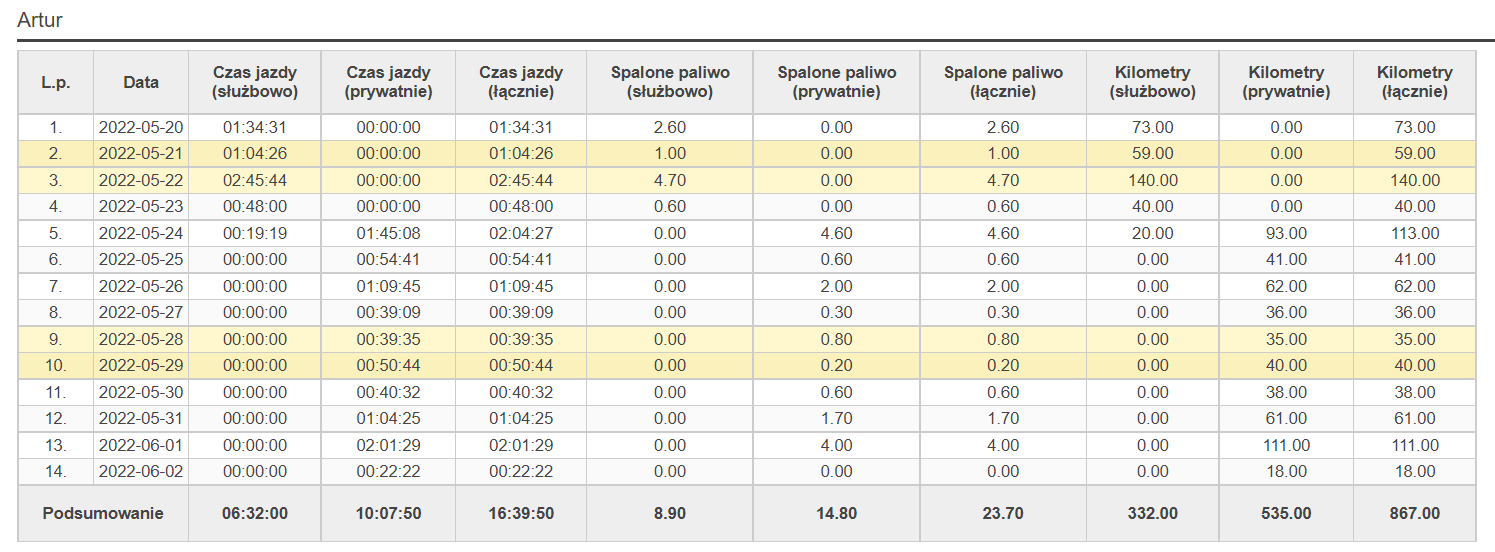
Fuel control
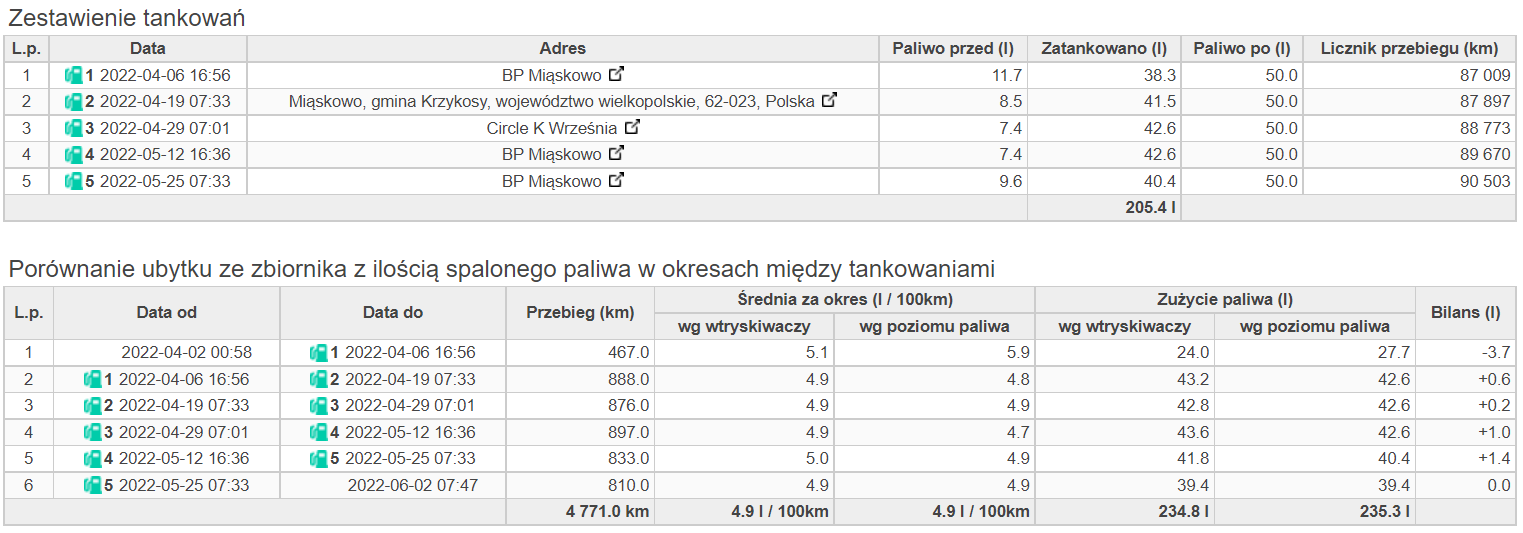
Telematics can be used, among other things, to compile refuelling summaries (fuel cards can be imported into the telematics system). Data on the amount of fuel filled, consumption and the value of the station invoice is gathered in one place. This automates the whole flow of information and removes the need to manually record invoices supplied by drivers or filling stations. That way we get reliable data that is not exposed to employee errors and manipulation.
Telematics systems as virtual service books
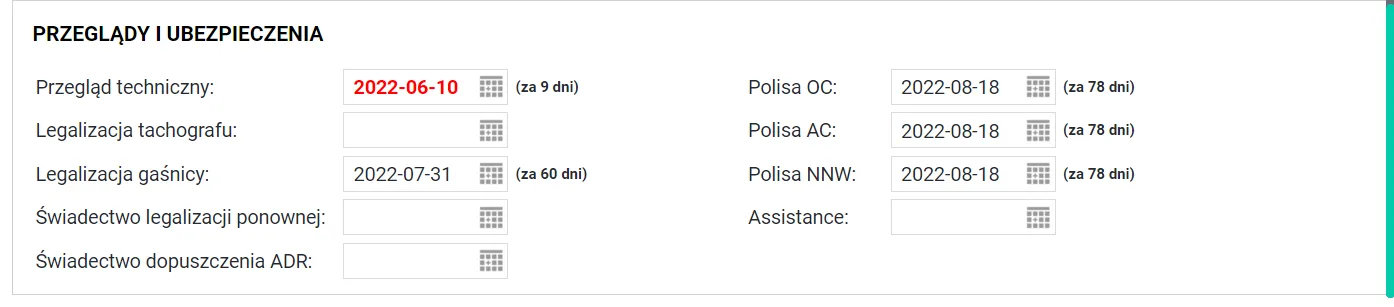
Telematics solutions also let us gather all the data on inspection dates and oil changes for individual vehicles. Notifications of an upcoming inspection or insurance payment (insurers increasingly require telematics in company fleets) will certainly take a load off the fleet manager, who from then on will not have to worry about dates. Implementing telematics in the fleet will do it for them.
Telematics and drivers' driving style
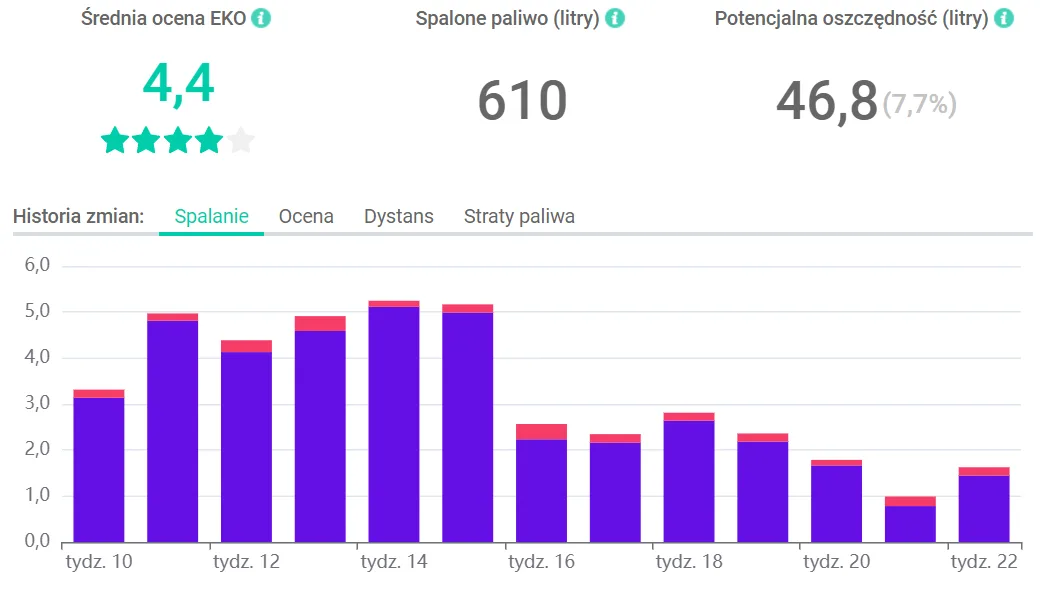
Telematics gives users enormous possibilities for developing drivers' competence, which translates directly into safety and the cost of running the fleet. We are talking about technology that provides data on driving style. At Navifleet we have developed an advanced system for scoring drivers while they drive. The telematics collects data on speeding, excessively hard acceleration and braking, smoothness of driving and stops with the engine running. Based on driving style analysis, the driver receives a score, a list of the mistakes made and suggestions displayed in the mobile app that help eliminate shortcomings behind the wheel.
The fleet manager receives a range of data on the most fuel-hungry behaviours of individual drivers, on the progress they are making in improving their driving style (in terms of safety and economy) and on how the whole fleet's fuel consumption is changing. The system comes with a tool for planning challenges in which any drivers can be involved. The gamification element is a way to take the load off the fleet manager in the process of improving driving style.
Devices suited to the physical systems they serve
Telematics is not just an app displaying processed data on vehicle location and operation and drivers' driving style. The technology also involves various telematics devices used to collect the necessary data.
Choosing the device is the next stage of properly introducing a telematics service into a company. The choice depends above all on our preferences regarding installation and the app functions we will use.
For comprehensive fleet management you need a permanently installed device connected to the vehicle's CAN bus (under the dashboard, near the air vents, the passenger-side glovebox, the radio or the steering wheel). This solution lets us control driving style and fuel consumption, among other things. In addition, the nature of the device ensures good GPS reception, and the installation location makes it more resistant to tampering by users (removing the device).
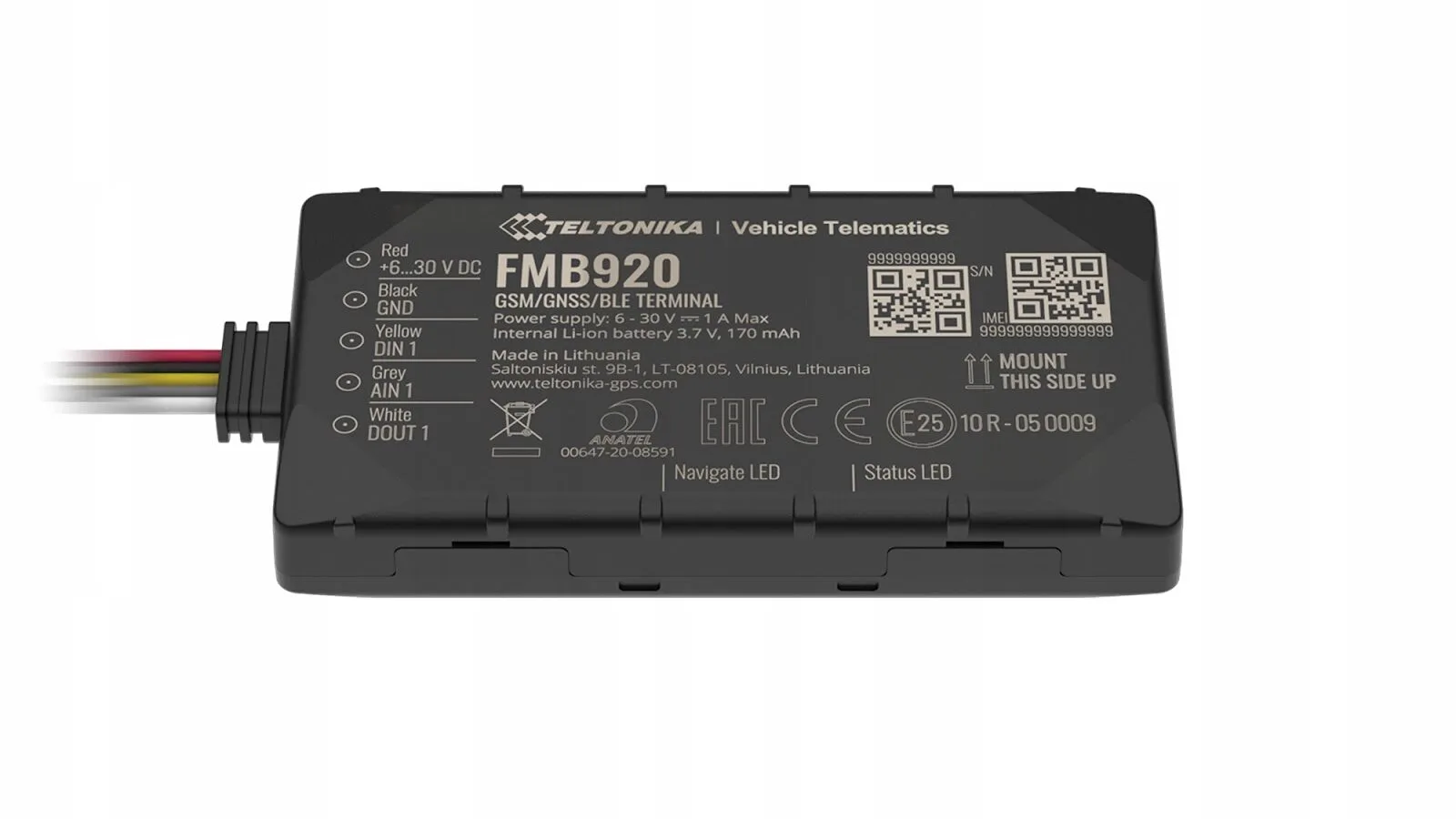
Source: teltonika-gps.com
GPS trackers that plug into the OBD II port also work efficiently with telematics systems. Here installation is simple, but as a result the device is more exposed to sabotage by drivers (unplugging the device). Another drawback of these devices is the lack of fuel consumption data (fuel costs can still be verified using fuel cards).
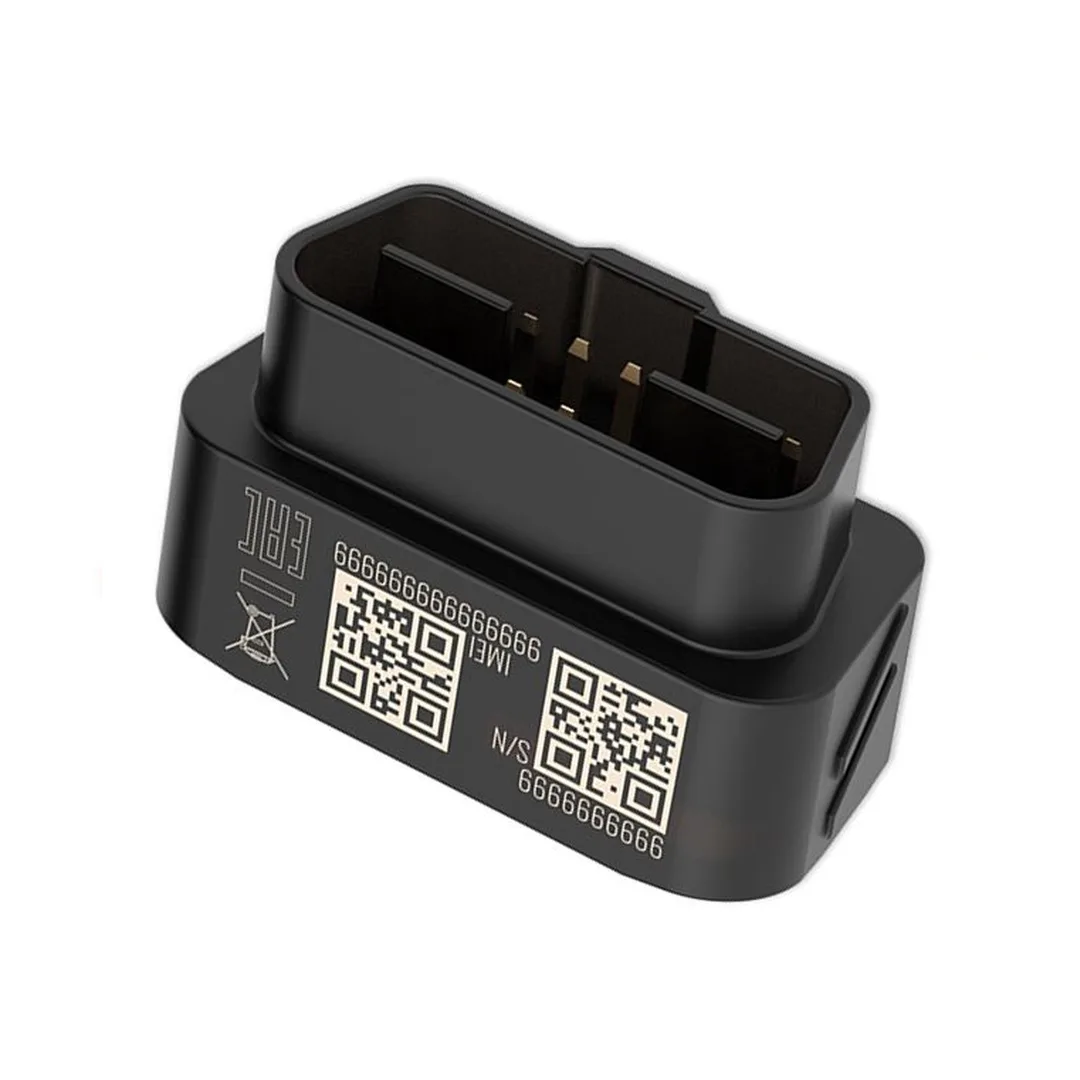
Source: teltonika-gps.com
Step III: formalities and terms of cooperation
How do you implement telematics? Once the right telematics solution has been chosen, it is time to formalise the whole process. Telematics services can be used under two variants:
- An open-ended contract: this contract is concluded with a Client who decides to buy the GPS tracker together with a subscription to the app functions they choose (according to their preferences). In this variant the notice period is one month.
- A fixed-term contract: usually concluded for 36 months. This variant covers the lease of the GPS devices. The implementation fees are split into equal instalments and paid by the user together with the subscription for the telematics services.
Drivers and vehicle monitoring technology
Implementing telematics brings many benefits for the fleet manager and the whole company, but do not forget that it is the drivers and employees using the company's mobile assets who will be in direct contact with this technology every day.
One of the fleet manager's tasks is to inform drivers that telematics is being introduced into the company. This is closely linked to the EU General Data Protection Regulation (GDPR). In some cases, however, merely informing the employee may not be enough. If we also intend to monitor journeys unrelated to the employee's work duties, we must obtain their consent. This is the case when vehicles are also used for private purposes (as an employee benefit). The law also requires the user to label the vehicles that are subject to monitoring.
Modern telematics has found a compromise between GPS tracking and driver privacy. We mean Private mode, one of the functions of advanced systems. Private mode protects drivers from having their private journeys tracked (driving style is still scored), while for fleet managers it is a tool for settling them. You can read more about this solution in our knowledge base.
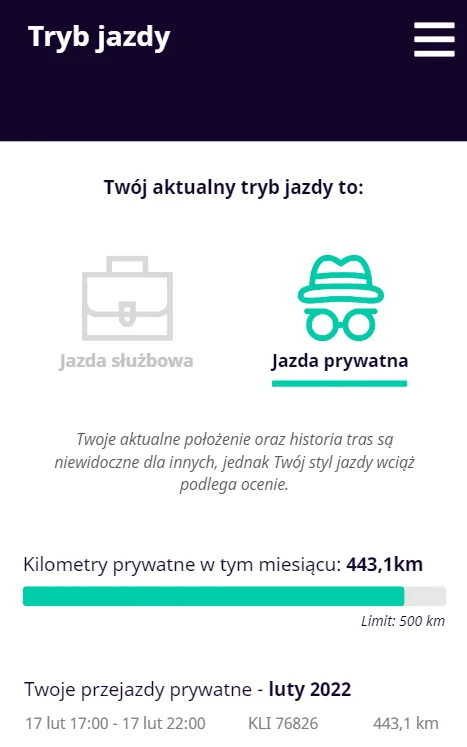
Legal matters are only part of the fleet manager's duties when it comes to rolling out telematics among drivers. Unfortunately, many of them are sceptical about GPS tracking. Fortunately, modern telematics solutions bring many benefits to employees using the company's mobile assets who want to develop. It is precisely these benefits that should be the argument when persuading drivers to accept telematics.
Step IV: launching and configuring the app
At this point you already have access to the telematics app with the chosen functions, the devices are installed in the cars, and the employees know that from now on telematics will be an integral part of their work.
It is time for the first login and configuration of the individual options according to your preferences. The app already contains a list of our vehicles. Now we can fill in detailed information on inspection dates, oil changes or expiring insurance. That way we will receive notifications ahead of upcoming deadlines.
The next step is to create a list of drivers. Drivers can be assigned a specific vehicle or an identifier. Both drivers and vehicles can be grouped according to your needs.
At this stage it is also worth preparing templates for importing fuel cards and configuring alerts, e.g. for an unplanned disconnection of the device or exceeding a set kilometre limit (such an alert is particularly useful if we use cars on long-term rental).
If our telematics is also to score drivers' driving style, we need to tell drivers that they are required to install the mobile app and explain how it works.
Summary
As you can see, modern technologies and tools have a lot to offer, and the process of implementing telematics in a fleet is kept as simple as possible. As a telematics service provider, we realise that every business has different preferences and priorities. That is why we approach every user individually, focusing on their needs and relying on transparent cooperation.