In the article below I will explain how to prepare for managing a car fleet from the perspective of a newly hired person who has just been entrusted with the role of Fleet Manager.
A new Fleet Manager's first steps
To begin with, it is worth checking what kind of company we will be working in. I described this subject in more detail in another article: Three types of company that manage fleets. Find out which one you are closest to.
I assume that the Fleet Manager has consciously decided to take on the mission of managing a car fleet.
So what main steps should they take at the start to settle into the new environment well and leave a positive first impression?
Scope of duties and expectations – what to establish at the start?
- Agree with the HR department and your direct superior the scope of duties involved in the role of Fleet Manager and the composition of the team reporting to you, if of course it is not a one-person department.
- Agree with your direct superior the main goals to be achieved in the position and the timeframe for completing these tasks.
- Ask your direct superior who in the company belongs to the so-called main stakeholders influencing strategic decisions and the direction of the fleet's development.
Fleet policy and key documentation – what is worth knowing?
- Read the fleet policy and all other internal documents governing the rules for using company cars, and check whether the fleet has ever been audited. If it has, read the post-audit documentation, especially the recommendations following the inspection.
- Verify whether a risk assessment by the health and safety officer has been prepared for all positions that have a company car assigned as a tool for performing tasks or as a benefit.
- Take stock of the IT systems in which all data on the fleet and drivers, insurance contracts and other documents related to fleet management are stored.
- Take stock of and read all contracts relating to the fleet, for example: leasing contracts, long-term rental, servicing, tyre management, fuel card management, insurance contracts, contracts with providers of IT systems supporting the fleet, car wash and parking management, telematics and GPS tracking.
Interactions in fleet management – how to build effective cooperation?
- Talk to all stakeholders about their expectations of the fleet and of the Fleet Manager, what opportunities and benefits they see for the business from a conscious vision of fleet development that fits the company's strategy, and what risks and weaknesses of the organisation they see that may hinder the completion of the assigned tasks.
- Listen to the opinions of vehicle users on all the rules in the fleet policy that matter to them, and identify whether there is any staff turnover caused by those managing the fleet.
- Hold meetings with contractors providing any services to the fleet and agree with them the rules of cooperation, mutual expectations and the frequency of meetings to review the effectiveness of the cooperation.
Data and process analysis – how to verify the information?
- Analyse all available data from the IT systems supporting the fleet for accuracy, and validate the most important reports and dashboards.
- Map out the entire fleet management process, starting from the selection of cars for the fleet, including negotiations with suppliers and the companies financing the purchase or long-term rental, through collecting the cars from the dealer, insurance, ordering fuel cards, buying additional tyres and other accessories or minor consumables, entering vehicle and driver data into the IT systems supporting the fleet, and finally handing the vehicle over to the user, managing and monitoring the obligations to carry out periodic inspections, seasonal tyre changes, reporting damage and other recommendations arising from the rules described in the fleet policy, right up to the return of the vehicle by the user and the end of the long-term rental contract. Onto a process mapped out in this way we can overlay all the IT systems supporting the Fleet Manager in order to assess their usefulness, focusing on optimising the amount of data entered.
Mapping the fleet management process and identifying key performance indicators
A well-mapped end-to-end car fleet management process can also help us define the key fleet performance indicators that we are able to measure and, importantly, that correlate strongly with the largest costs generated by the fleet, as well as with the biggest risks we identified together with the stakeholders.
After such a thorough analysis, we can proceed to draw up recommendations on how we want to manage the fleet in the short and long term, which tasks we want to carry out at the tactical level from the point of view of the fleet department's operations, and which actions at the strategic level will require the stakeholders' approval and possibly an additional budget.
Drawing up fleet management recommendations – short-term and long-term goals
I will try to show what such recommendations should look like in the summary below.
Description of the action:
- Establishing the scope of duties and the team
Duration: 1 week
Result achieved: A clearly defined scope of duties for the Fleet Manager and composition of the team. - Defining the main goals and timeframe
Duration: 1 week
Result achieved: Defined main goals to achieve and a timeframe for completing the tasks. - Identifying the main stakeholders
Duration: 2 days
Result achieved: A list of the main stakeholders influencing strategic fleet decisions. - Reading the fleet policy and documentation
Duration: 2 weeks
Result achieved: Full knowledge of the fleet policy and post-audit documentation. - Verifying the risk assessment
Duration: 1 week
Result achieved: Verified risk assessments for all positions with an assigned company car. - Taking stock of IT systems
Duration: 1 week
Result achieved: A list of IT systems storing fleet data. - Taking stock of fleet contracts
Duration: 2 weeks
Result achieved: Full knowledge of all contracts relating to the fleet. - Talks with stakeholders
Duration: 2 weeks
Result achieved: Stakeholders' expectations of the fleet and the Fleet Manager gathered. - Gathering vehicle users' opinions
Duration: 2 weeks
Result achieved: Identified causes of any staff turnover related to fleet management. - Meetings with contractors
Duration: 2 weeks
Result achieved: Agreed rules of cooperation with contractors and frequency of meetings. - Analysis of data from IT systems
Duration: 2 weeks
Result achieved: Data from IT systems analysed for accuracy. - Mapping the fleet management process
Duration: 3 weeks
Result achieved: The fleet management process mapped from car selection to vehicle return. - Assessing the usefulness of IT systems
Duration: 2 weeks
Result achieved: The usefulness of the IT systems supporting the Fleet Manager determined. - Defining key fleet performance indicators
Duration: 2 weeks
Result achieved: Key fleet performance indicators defined. - Drawing up fleet management recommendations
Duration: 3 weeks
Result achieved: Recommendations drawn up for managing the fleet in the short and long term.
Total implementation time: around 5 months
Key actions and recommendations in fleet management
What else is worth including in the process of effective car fleet management, so as to achieve the company's goals, the tasks set by your superior, your own initiatives and the expectations of other stakeholders effectively and on time?
Certainly conduct surveys, both among vehicle users to measure their satisfaction, and surveys evaluating us as fleet manager. Listening to drivers and understanding their needs is the key to improving management – regular surveys provide valuable information about their satisfaction with the vehicles, services and processes. Analysing these responses lets you identify areas for improvement and introduce changes that make the fleet run better.
Keep improving in areas where we still have gaps in knowledge or shortcomings in team management and change management.
Attend industry conferences, visit motor shows, get involved in associations supporting fleets, meet contractors and suppliers of new services. Be open to testing new products, services, IT systems and, recently very popular, artificial intelligence.
It is worth:
- Testing new technologies: Implementing innovative IT systems, including AI-based solutions, that can increase fleet management efficiency.
- Analysing service offers: Checking new solutions in servicing, leasing and vehicle monitoring to adapt the fleet to current needs and market conditions.
- Experimenting with new products: Testing modern automotive solutions that can optimise operating costs and increase vehicle performance.
Carry out regular benchmarks in which we can verify whether we have market rates for rental services, fuel prices and servicing. To do this effectively, you need to take care of:
- Charges: Compare rental rates, fuel prices and servicing rates to determine whether your costs are competitive.
- Efficiency: Analyse the benchmarking results to identify areas where you can optimise costs.
- Improvements: Implement the benchmarking findings to raise the efficiency and profitability of fleet management.
Work on a project basis, e.g. together with insurance brokers, on reducing the accident rate, which can consequently help lower comprehensive and third-party insurance rates.
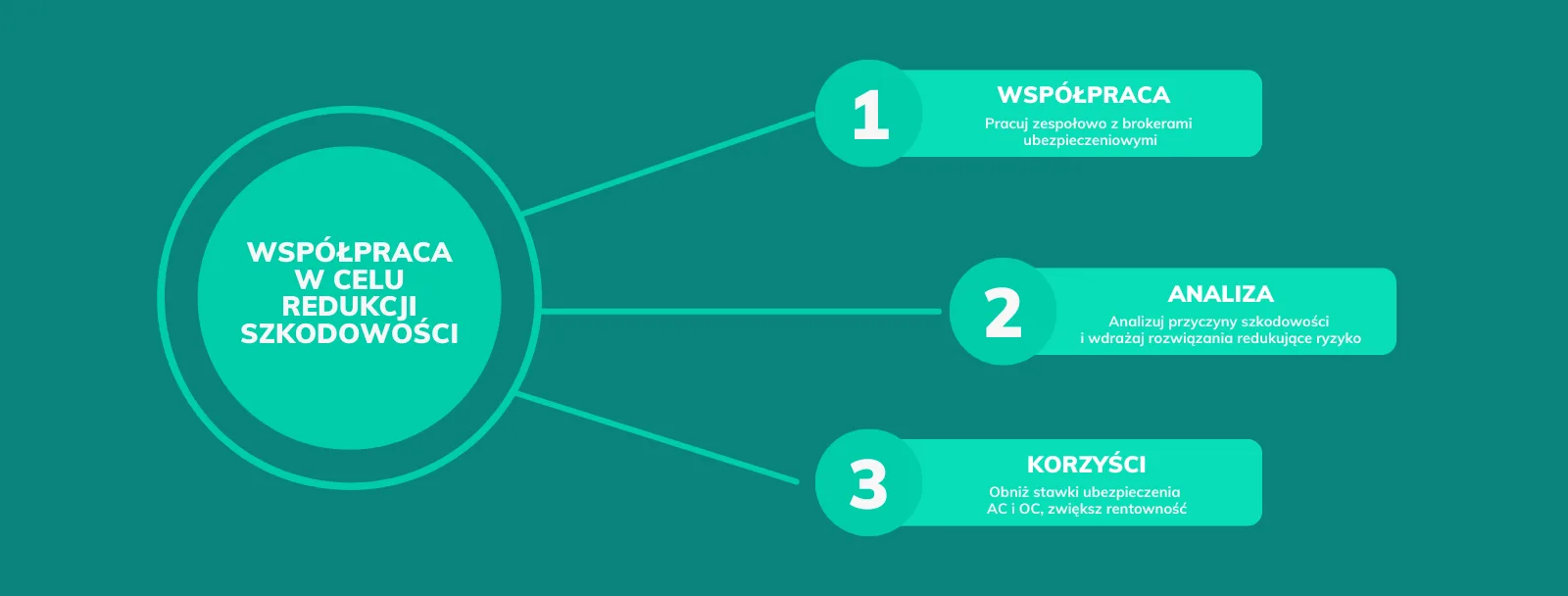
Improve the process with selected, proven tools that will help us achieve the short-term and long-term goals set for us.
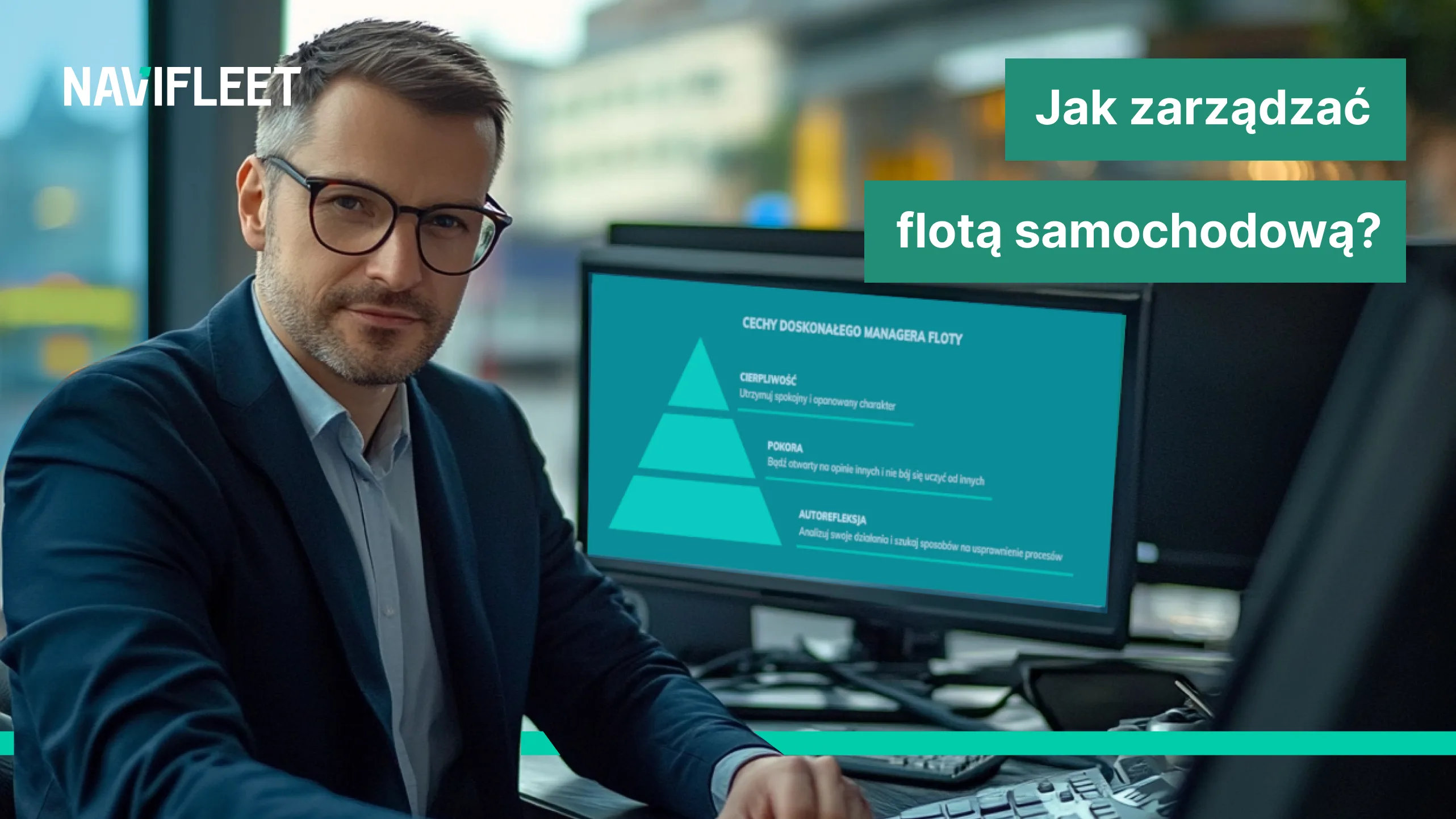
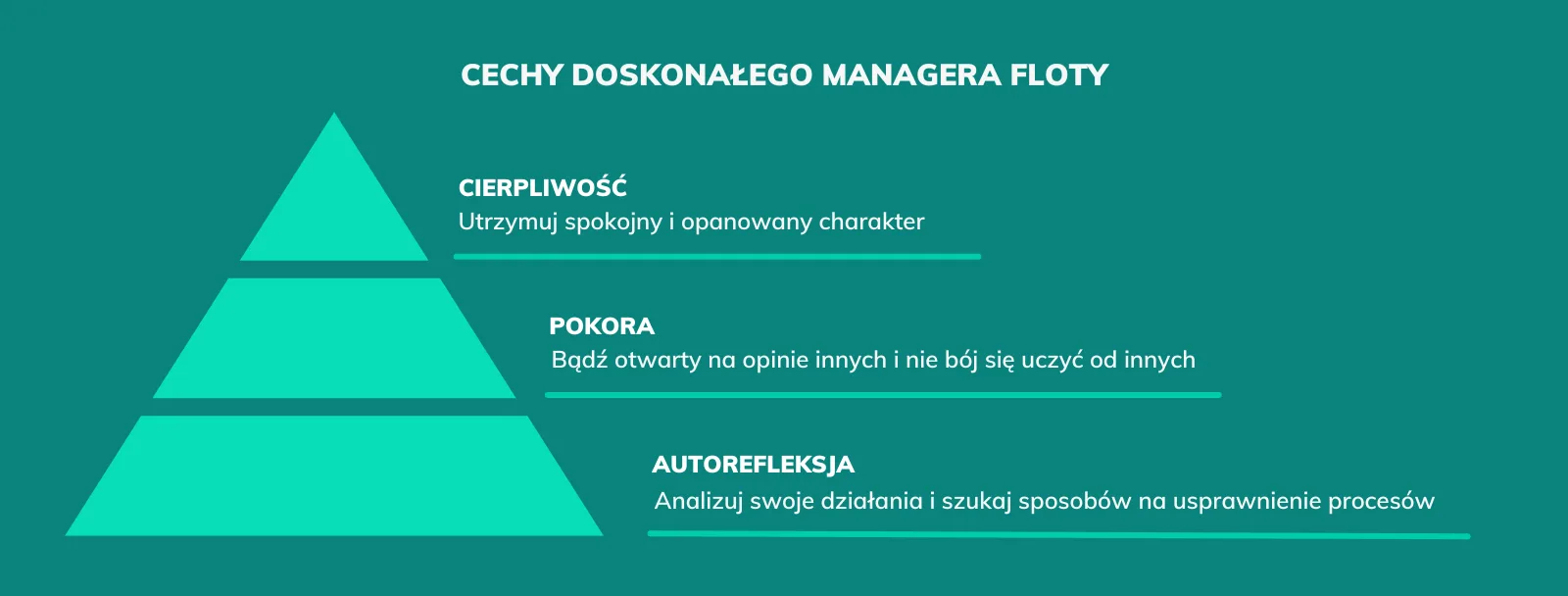
And finally, learn humility, patience and the ability to self-reflect.
 Piotr Litwin
Head of Logistics & Lean Coordinator at OCEANIC
For more than 20 years he has combined logistics management with fleet operations. He started with truck fleets of over 100 vehicles delivering food products, and in later years successfully led the transition from owned fleets to fleets managed under long-term leases.