This article covers Polish regulations and market practice. The principles apply elsewhere, but check the rules in your country.
The obligation to send the vehicle's current location to SENT and the enormous penalties for breaches fill everyone affected by the amended regulations with dread. We decided to take a closer look at the new requirements and suggest how not to worry about the new regulation. Alcohol, tobacco, oils and fuel in large quantities only under satellite supervision. After the October storm triggered by the official date the new transport regulations came into force, a three-month period of calm and carefree days set in. Although every carriage of excise goods must now be covered by location monitoring, drivers and carriers are untouchable until the end of this year. Only (or already) on 1 January 2019 will the situation change drastically, and from then on a driver can pay PLN 7,500 for even a minor breach of the new regulations, and their employer as much as PLN 2,500 more.
SENT: no penalty for the driver if we send the truck's position to SENT at least once an hour.
Under the requirements, the vehicle's satellite position must be sent no less often than once an hour throughout the carriage on Polish territory. This means that when starting or finishing a route in Poland, and every time a border with another country is crossed, you must remember to switch the tracker on or off. To fulfil this obligation you need a transmitter (a tablet, smartphone or professional GPS tracker) and mobile data transfer (only within Poland is enough). The cheapest method is to use a smartphone as the tracker together with a mobile app. This is in fact the method recommended by the Ministry of Finance, which has created a special free app for this purpose for Android and iOS.
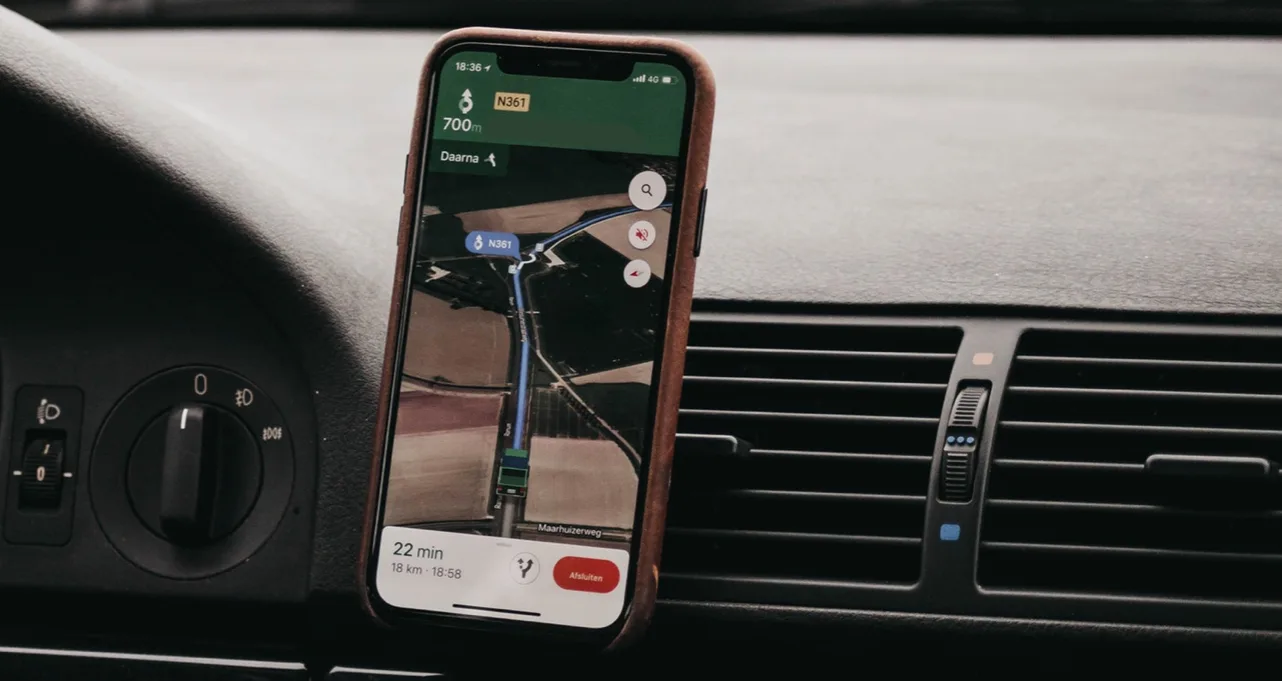
GPS position monitoring for the SENT system using a smartphone is risky
In theory, an ordinary SIM card and a PLN 300 smartphone are enough to forget about SENT penalties and all the fuss caused by the representatives of the National Revenue Administration. We just have to negotiate with the driver that from 1 January 2019 another duty lands on their shoulders and that they will be responsible for operating the smartphone and covering all the financial penalties imposed during inspections. While unlimited data transfer (for an appropriate fee to the operator) and a permanent connection to the car charger can be ensured, we strongly advise against this option. Less than two years ago the whole of Europe saw what using a phone while driving a lorry can lead to: in an accident in the United Kingdom 4 people died because the driver wanted to change the music on his phone while driving.
Professional GPS trackers are a much better, but insufficient, solution
Although they have been on the market for several decades and are increasingly manufactured in Europe, vehicle tracking technology is still prone to faults. A maximum level of service availability can be achieved, but it involves using good-quality trackers, professional installation and a solid server infrastructure on the telematics operator's side.
Although it is not visible to the naked eye, and a busy carrier is rarely interested in the IT side of the service, only a solid and expensive-to-maintain server back end and high-class trackers guarantee the stability of the service. Below we present the weakest points of telematics that can disrupt cooperation with the SENT platform:
-The GPS module responsible for locating the vehicle freezing
- Entering an area with poor coverage, or the GSM module responsible for sending the location from the device to the telematics system freezing
- The power cable or plug coming loose from the device as a result of micro-vibrations while driving
- Failure of the database or the server receiving data from the trackers.
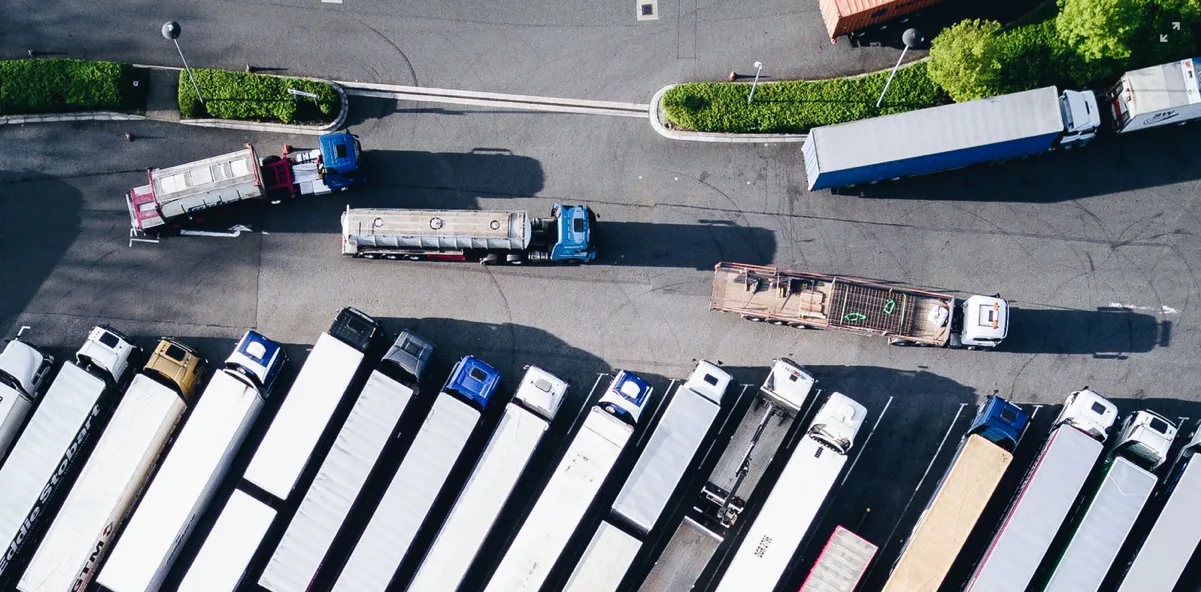
We advise on the best way to monitor a truck and communicate with the SENT platform
The best way out, and the way to avoid a SENT penalty for the driver, is to use both methods at the same time: the telematics platform should be the primary form of location, with a smartphone in the vehicle as backup. The SENT forms used to notify a carriage allow more than one device identifier to be entered, so it is worth taking advantage of this. The advantage of telematics over the free app provided by the Ministry is a system for the dispatcher and for the driver, in which both can control communication with the SENT platform on an ongoing basis. In addition, the telematics platform can be programmed to automatically switch communication on and off at set times. Another advantage of telematics is the warning dashboard: both the dispatcher and the driver receive warnings about problems with communication or the GPS tracker. When the telematics fails, the SENT app can be launched and the carriage continued without unnecessary downtime.
To sum up
The SENT penalties carriers and drivers are exposed to are considerable. The only way to avoid unpleasant experiences at work is to use both location methods at once: a professional telematics system and the free SENT smartphone app. When one method fails, you can switch to the other without obstacles, sparing yourself stress and unwanted penalties.