
The responsibilities of the person in charge of effective vehicle fleet management keep evolving. The fleet manager remains responsible for optimising costs and keeping individual processes running smoothly, but in recent years matters such as the fleet's environmental performance and safe driving have been added. Combining all these duties is no small challenge. How can you make it easier? Below we present a few tips that will help you learn how to manage a company fleet.
What is vehicle fleet management?
First it is worth clarifying what fleet management is. Vehicle fleet management (car fleet management) is a process covering the planning, organisation, direction and control of a company's mobile assets. In recent years, technological solutions that support decision-making in fleet management and the handling of individual processes have become an integral part of the term.
Define a fleet policy
How do you manage a company fleet well? It requires drawing up and implementing a fleet policy. This is a document containing regulations on responsibility, risk and the procedures for providing company vehicles to employees. Drawing up such a document properly requires the involvement of colleagues from other departments and senior managers. The fleet policy should be tailored to the individual needs of each company. The main elements of such a document are a description of the individual processes and a definition of the purchasing policy.
When implementing the fleet policy, remember to communicate transparently and create a schedule for implementing the procedures in the company.
Automate processes
Modern car fleet management (CFM) is closely tied to the use of a telematics system. Fleet management software today is more than GPS tracking of cars. Modern technology allows many processes to be automated, from real-time fuel consumption monitoring, through the ability to assign a vehicle to a chosen group, to control of administrative data and driving style analysis.
Telematics solutions and fuel consumption
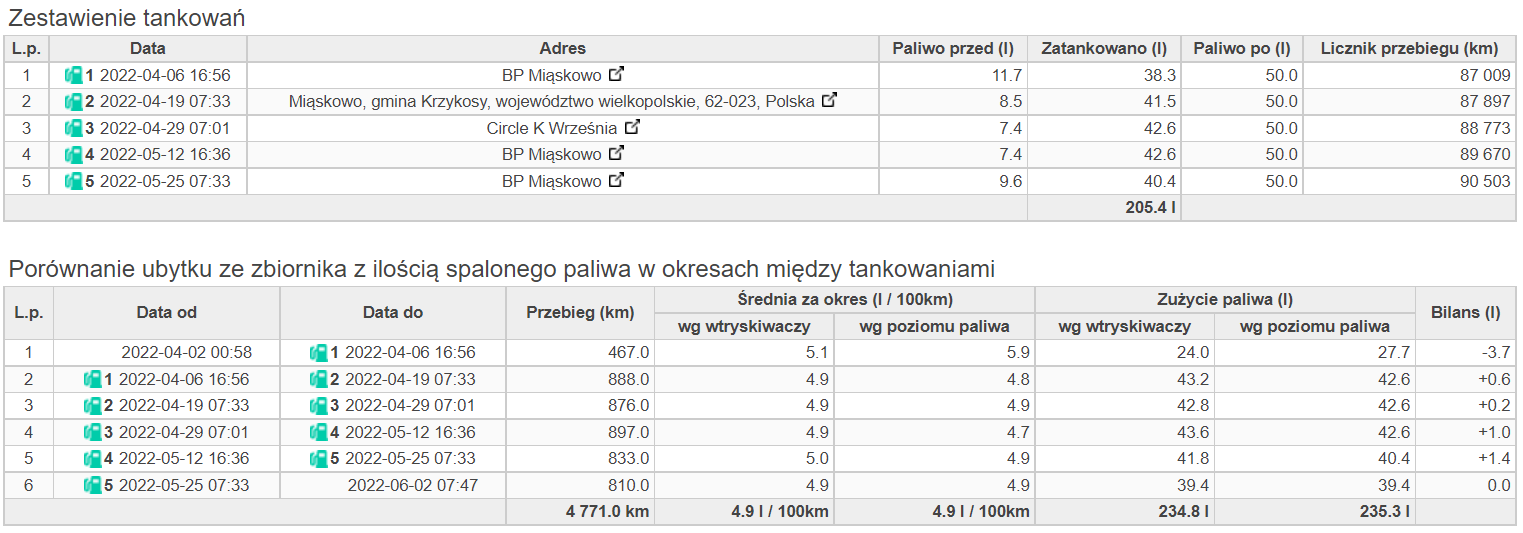
An excellent example of how telematics services can streamline the work of a car fleet manager is the fuel consumption and refuelling control function. Fuel cards can be imported into the telematics app, giving you access in one place to data on the amount of fuel filled, consumption and the value of the station invoice. This removes the need to verify invoices manually and minimises the risk of dishonest practices by drivers and of unforeseen costs.
The fleet policy often contains specific rules on refuelling. Using telematics to manage the fleet, we can easily verify how such rules are observed (e.g. a ban on refuelling on days off).
Inspections and oil changes
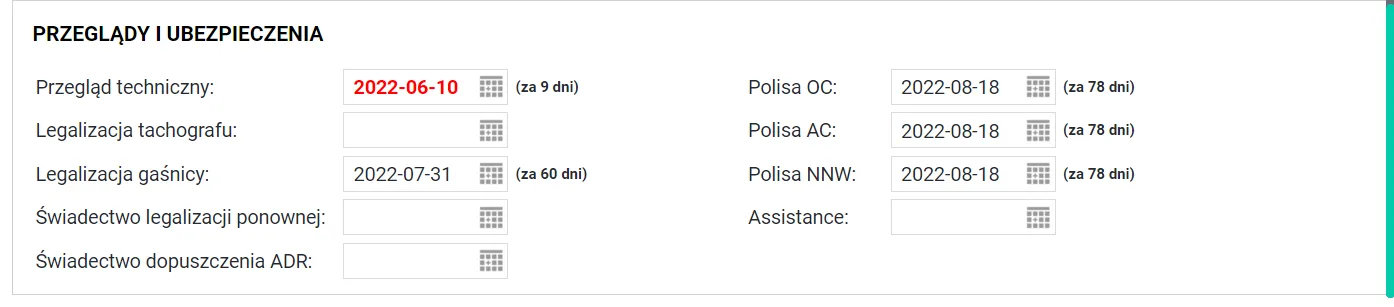
Fleet management and effective vehicle fleet management also mean controlling fleets from an administrative and operational point of view. We mean regular vehicle inspections and keeping track of insurance and oil change dates. Then there is fleet insurance, which has to be renewed every year. Telematics can relieve the person responsible for managing the company fleet. Modern telematics systems are like a service book: they collect the relevant information and remind you in good time of an upcoming inspection, oil change or expiring insurance.
Combine safety and economy
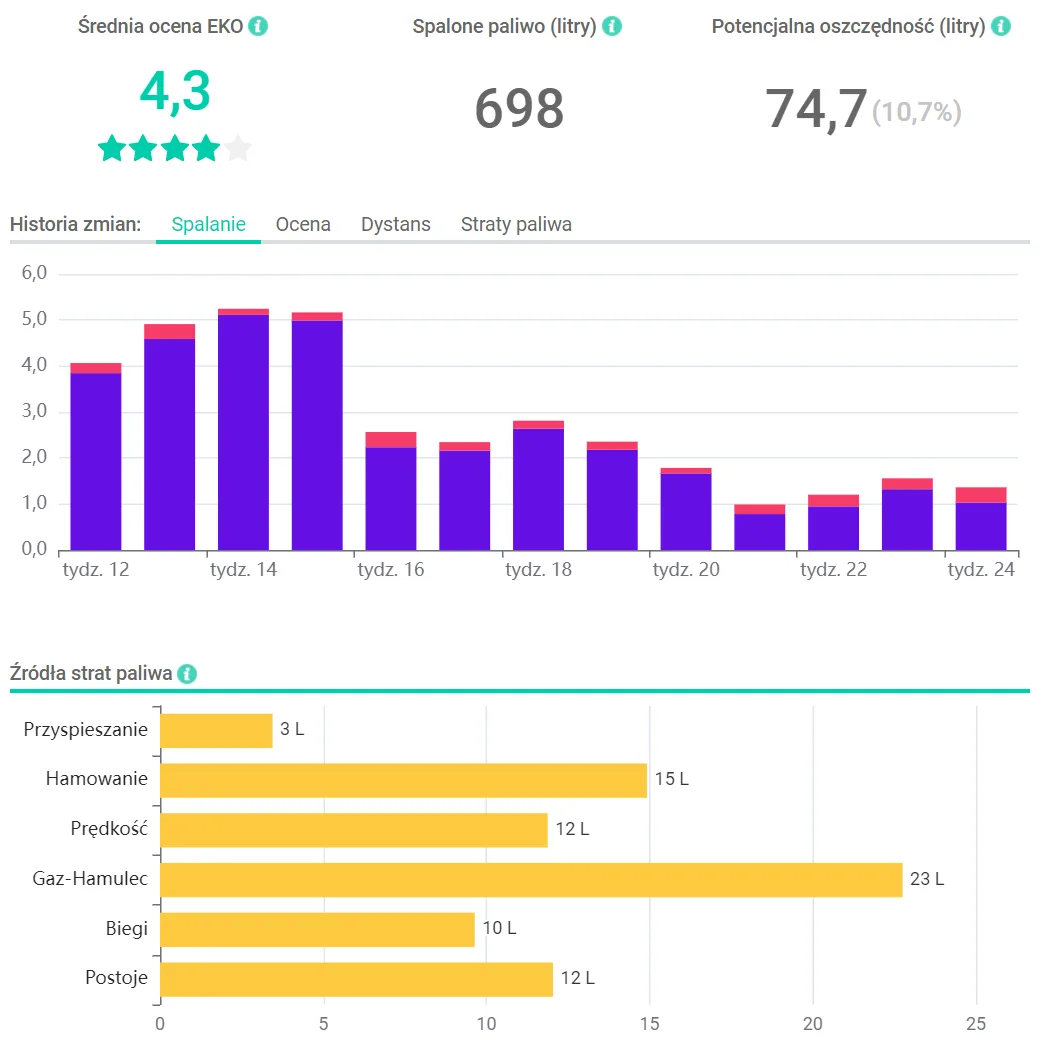
One of the biggest challenges for fleet managers today is reducing the cost of running vehicles. Fuel prices are rising, and the cost of replacing wear parts is not far behind. A solution that can be a cure for rampant inflation is technology that analyses drivers' driving style.
How do you manage a company fleet well? Improving driving style can cut fleet running costs by well over ten percent, while reducing the claims rate and developing employees' safe driving skills. And all with minimal involvement from the fleet manager, who can track employees' progress using clear, precise data in the app.
Build transparent cooperation with employees
Cooperation between employees who use company vehicles and the person managing the fleet should be transparent and based on mutual trust. This is particularly important when we decide to introduce a telematics system into the company.
In most cases drivers see GPS tracking as surveillance. In that situation the fleet manager must opt for open communication. It is necessary to explain the purpose of introducing GPS tracking into the company, what will be monitored and how. It is also worth stressing that modern telematics systems have a private mode function that prevents tracking of journeys made for purposes other than business.
If we are introducing driving style analysis technology into the company, we can use the language of benefits and present it as a tool for developing one's own skills behind the wheel. According to our research, most drivers want to develop and gain knowledge of safe and eco-driving. This is exactly what telematics equipped with driving style analysis technology enables, allowing optimal fleet management.
Fleet management software and the law
GPS tracking of a company car is subject to the provisions of the EU General Data Protection Regulation (GDPR). As a result we must meet one of two obligations: provide employees with comprehensive information about GPS tracking, or obtain their consent to the implementation of such a system.
The first obligation covers monitoring of business journeys only. If the telematics system will also monitor the use of the vehicle for private purposes, employees' consent must be obtained.
Your role in employee development
As we have mentioned, employees want to develop their skills behind the wheel. The fleet manager's role in this area is solely to provide the tools for development, with occasional checks on progress and sporadic motivation of employees.
The fleet manager should not take on the role of teacher and mentor to employees. Vehicle fleet management is a complex enough process for the fleet manager's schedule to be full to the brim.
A virtual driving instructor for drivers
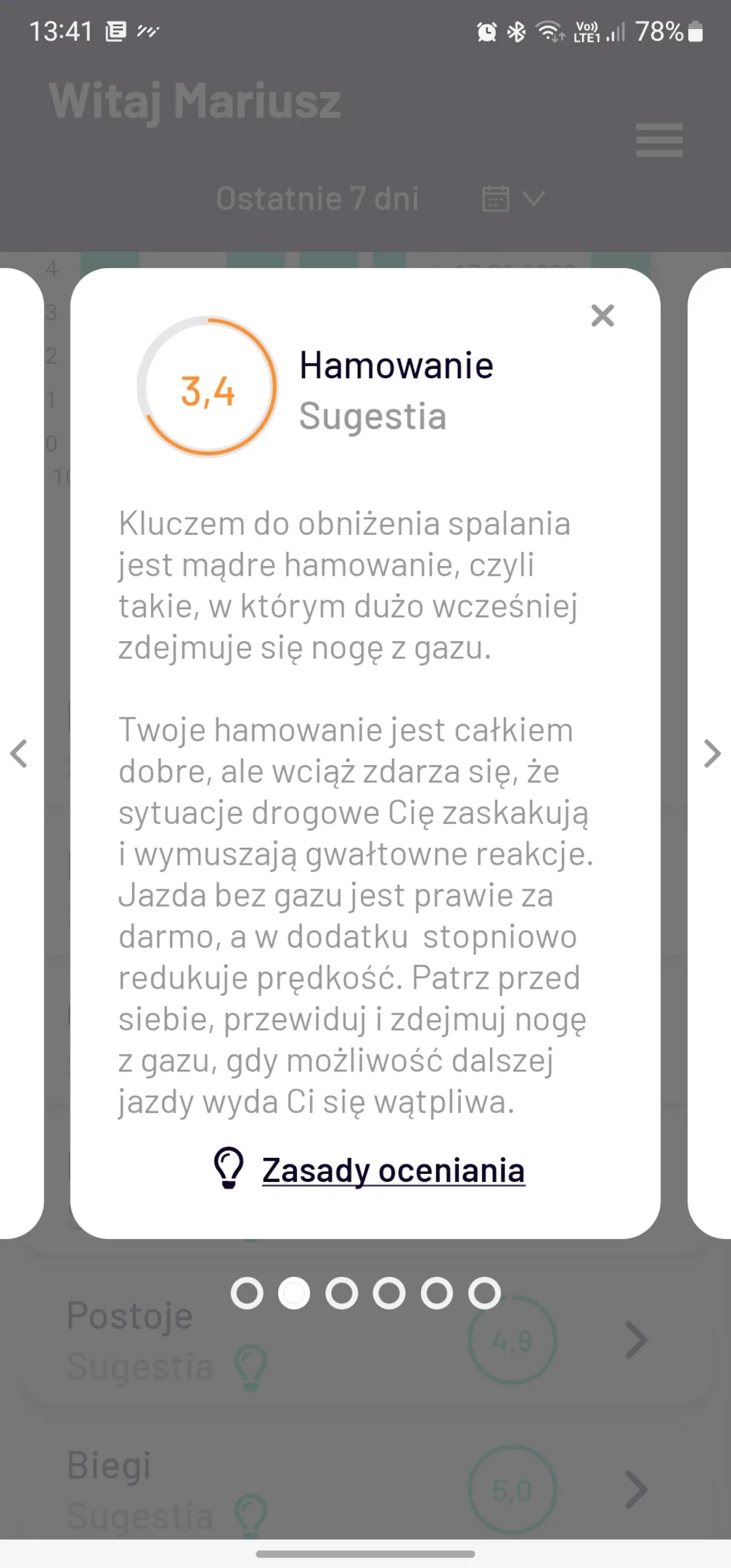
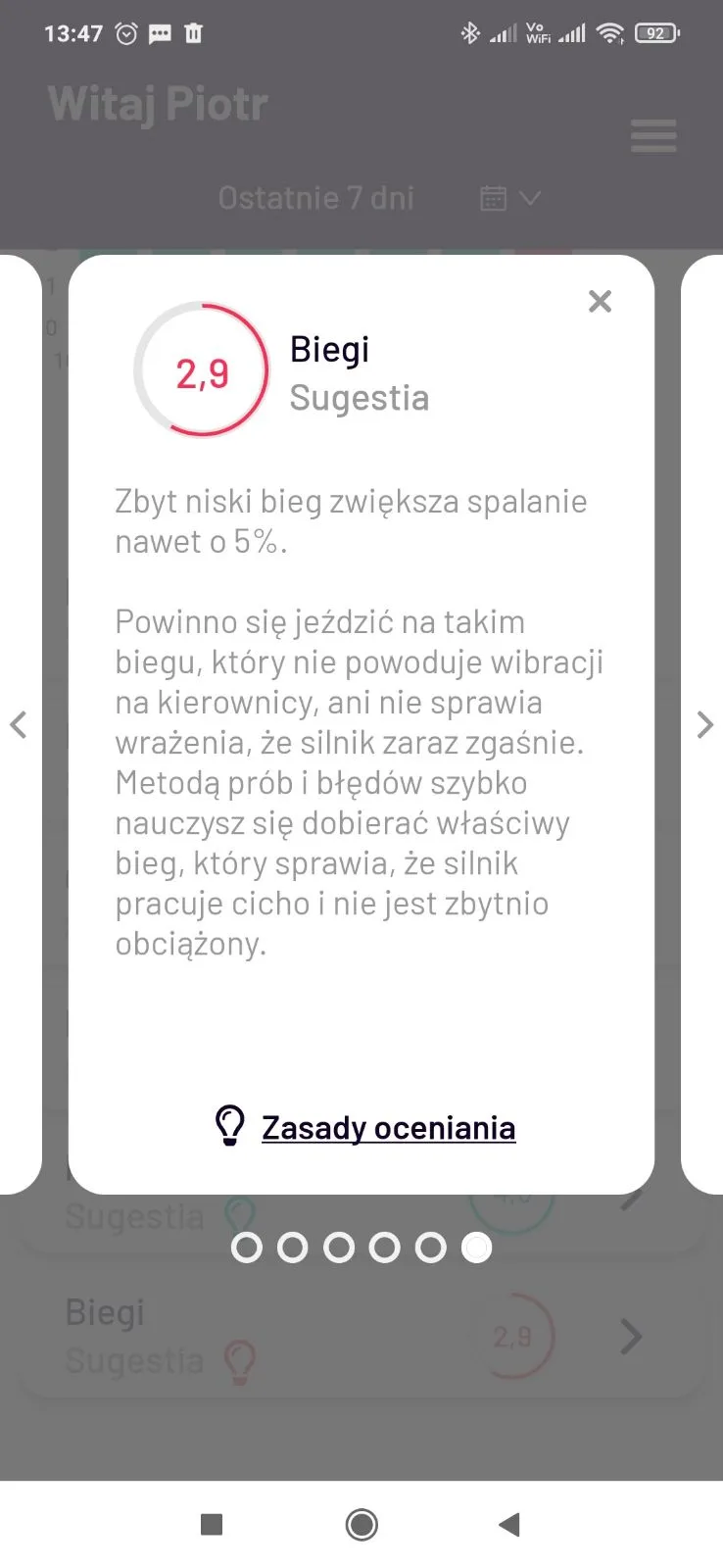
Telematics with driving style analysis technology makes it possible to create such a process. It is nothing other than a virtual driving instructor in the form of a mobile app for drivers and an easy-to-use platform for the fleet manager.
The app informs drivers of the mistakes they make and, through suggestions on driving style, helps reduce them. Meanwhile the role of the person managing the fleet is limited to checking results and using the gamification mechanism to create challenges tailored to the fleet's needs.
Look after employees' privacy
Vehicle fleets are increasingly also used for drivers' private purposes. Monitoring and settling journeys unrelated to work is a tough nut to crack for both the employee and the company.
The former do not want anyone interfering in their private sphere, while the latter need to control the fleet and manage the costs generated by using cars for private purposes.
Vehicle fleets and private mode
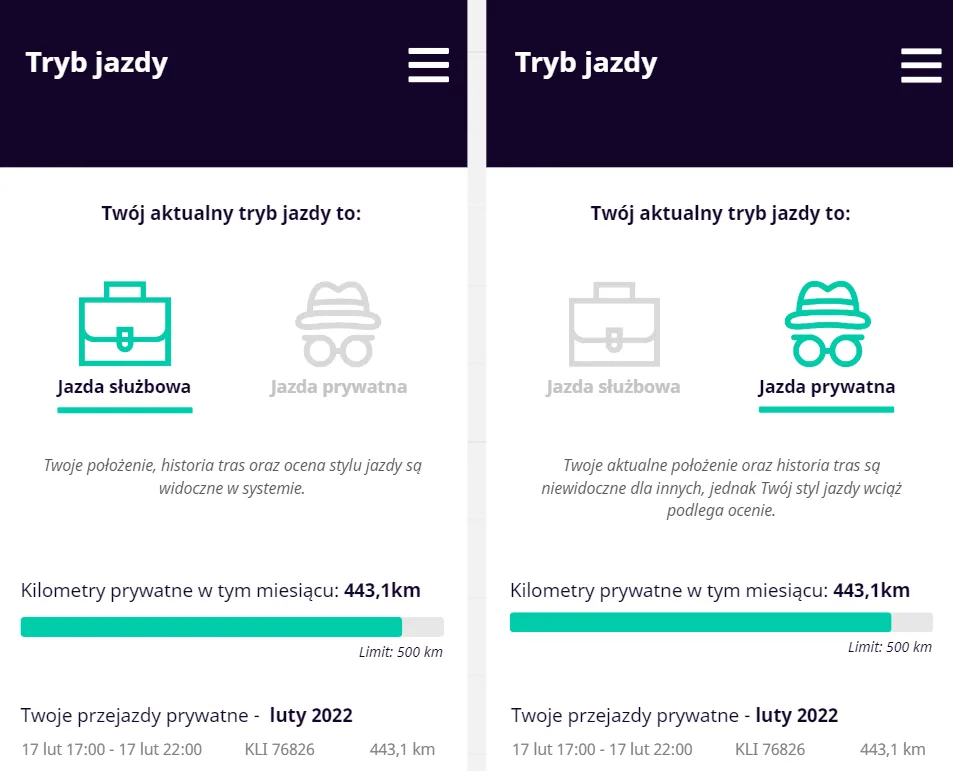
Here too, telematics services come to the rescue. Their functions include private mileage, which, once switched on, stops the vehicles being tracked. Although the fleet manager cannot verify where the vehicle went during a private journey, they receive precise information on the number of kilometres driven in this mode. For companies this is a great help, because they can settle mileage with a distinction between distance covered privately and on business.
Allocate vehicles wisely
The fleet manager's overriding task is to provide employees with mobile assets. Wise allocation of vehicles is a relative concept that can be interpreted in various ways, but recently fleet managers have faced a new challenge.
The COVID-19 pandemic and the war in Ukraine caused supply chain problems in the automotive industry. As a result, we now have to wait up to several months for a car after placing the order. This is a big challenge for business and for companies hiring new sales or service staff who need a vehicle as an essential work tool.
Telematics services and vehicle allocation planning
In extreme situations the fleet manager has to take steps to move vehicles from employees who have no pressing need for a company car to people for whom it is an essential work tool. The basis for such a process should be a summary of how the cars are used (e.g. the number of kilometres driven on business and privately). A telematics system allows detailed reports containing such data to be created.
Ensure work efficiency
Remember that people who use company cars are not professional drivers. They are usually sales reps or specialists responsible for service or other kinds of customer-facing work. Their main task is efficient, effective selling or carrying out service tasks and the like. Here the vehicles are only additional work tools.
Effective company fleet management is a series of processes that must reconcile cost optimisation and providing mobility to everyone who needs it with not interfering in those employees' work tasks.
We can also expect requests from finance, sales or HR directors. Using telematics to manage the company fleet, we can create reports that are useful to them. Telematics provides complete information on working time, the efficiency of completed jobs, the points (customers) visited and the zones the car moved through. This enables more effective management of human resources in the company, optimises costs and improves the flow of information.
Set KPIs for the company fleet
Setting specific performance indicators is very important in managing a car fleet. It is a popular tool used in various areas of business. Without it, management has no point of reference and we cannot verify our effectiveness. KPIs for car fleet management must relate to the goals and processes within the whole business.



