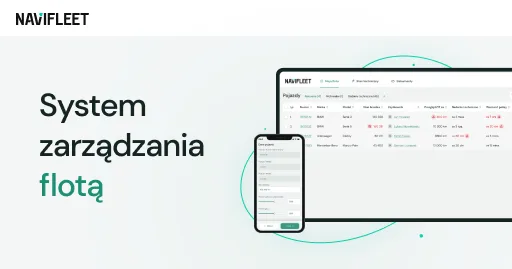
Telematics services for fleet management are a solution that brings many benefits to the whole business. Telematics' tasks include supporting the fleet manager, smoothing out individual processes, reducing the cost of maintaining vehicle fleets, and much more.
It is particularly important that the telematics system genuinely supports and relieves the person managing the vehicle fleet, instead of being yet another duty that has to be squeezed into the schedule. For that to be the case, telematics has to meet a few basic criteria concerning both the telematics devices and the software itself. It is worth paying particular attention to them when choosing a solution for your company. The value that telematics brings you depends largely on the few characteristics below.
Simple and intuitive operation
A fleet manager overseeing dozens or hundreds of vehicles needs access to a tool that requires minimal involvement while providing reliable information and support in carrying out daily duties.
It is hard to imagine choosing a specific solution without first getting to know and testing the user interface. It should have the following characteristics:
- Intuitiveness – the layout, placement of information and colour scheme should follow generally accepted conventions and user habits.
- Functionality – the system should engage in a dialogue with the user. The fleet manager or driver must be informed about what they are currently doing, receive messages about any errors and have access to information on how each process works.
- Consistency – the layout should be coherent and logical.
- Speed – it is important that the number of steps needed to complete a given task is kept to a minimum.
Remember that telematics in fleet management includes real-time GPS tracking of vehicles. An immediate response from the fleet manager is often required, which is why the characteristics above are the absolute minimum for a modern telematics solution.
Comprehensive telematics: from fuel consumption to service reminders
Mileage tables in Excel, notes in Word and reminders about upcoming inspections set on a smartphone. Once telematics is introduced into a company, all of this should become a thing of the past.
Modern telematics systems should be a veritable command centre for the fleet manager. Today's telematics solutions are comprehensive data stores whose capabilities go far beyond GPS vehicle tracking.
Telematics makes it possible to manage vehicles taking into account the various aspects of this process. The basic functions concern real-time vehicle monitoring. One step further is fuel consumption control or verification of drivers' working time. Mileage settlement and analysis of private vehicle use are much simpler with advanced telematics.
Then there is driving style analysis, a technology that assesses the mistakes employees make behind the wheel. With telematics, we do not have to compare fuel invoices by hand to know which employees drive economically and which do not.
Telematics is also a place for gathering detailed information about vehicles. This means administrative and operational data. The telematics app stores data on inspection dates, oil changes and vehicle insurance. The notifications sent by the app mean the fleet manager need not worry about missing any date that matters for the operation of the vehicles.
Integration with other systems
Comprehensive telematics also means the ability to integrate with other systems and applications (this applies to both light fleets and transport). A telematics system should be an answer to the current needs of companies with mobile assets. A perfect example is last year's introduction of the e-TOLL system. The new system and regulations caused confusion among transport companies and those managing light fleets. Transport telematics came to the rescue, making it possible to handle the e-TOLL system without downloading additional apps or buying tickets at physical points of sale.
As we have already mentioned, telematics is a technology that is not only a working tool for the fleet manager but also supports processes in other areas of the company. Modern telematics allows integration with, or export of data to, accounting systems in order to smooth the flow of information between the company's departments (and to increase data security).
Regular updates
The market evolves, vehicle characteristics change, and the fleet manager's duties have also shifted somewhat in scope over the years. Telematics services should develop together with users' needs.
What is more, the telematics provider should listen to its users' suggestions and opinions and continuously adapt the system to their preferences. Updates to a telematics app can take various forms, but they must always provide added value to the user.
Sometimes small changes (e.g. the ability to divide cars into groups) allow the user to streamline their work. But we must not forget system-level changes that adapt telematics to current legislation and changing trends. In the first case, a good example is the aforementioned introduction of the e-TOLL system. As for keeping up with trends, it is worth mentioning the growing emphasis on greener fleets and emission reduction. In response, telematics has become one of the solutions to the problem, offering driver driving style analysis technology. This translates directly into reduced fuel consumption, lower emissions and improved driver safety.
Driver privacy
One of the biggest obstacles to introducing a telematics system for a fleet is drivers' reluctance and resistance. Real-time monitoring of work is often treated as a "stick" and, in extreme cases, as a means of surveillance.
The situation becomes particularly problematic when drivers also use company vehicles for private purposes. Data on journeys unrelated to work is part of the driver's private sphere, and the security of such data is governed by GDPR.
Telematics should protect the driver's privacy while providing the fleet manager with all the information needed to settle working time, the distance covered for business and private purposes and fuel consumption.
Private mode versus real-time tracking
For this purpose, telematics apps have a private mode feature. Once it is switched on, the fleet manager cannot track the route driven by the vehicle, but will receive information covering the number of kilometres driven, fuel consumption and a range of data on the driver's driving style. Thanks to advanced telematics technology, employees need not worry about their privacy, and fleet managers have a tool for accounting for cars used for both business and private purposes.
The ability to hide private journeys is one of the arguments in the implementation communication between the fleet manager and employees.
Flexibility in terms of installation
Telematics systems are not only apps and a wealth of processed vehicle data that make the work of the fleet manager and the whole company easier. They are also the devices that collect that information.
Types of devices
Current telematics technology makes it possible to collect data from vehicles via devices of various types. For many, the ability to choose the device as part of the telematics service is a prerequisite. Remember, however, that each type of GPS tracker comes with benefits as well as certain limitations.
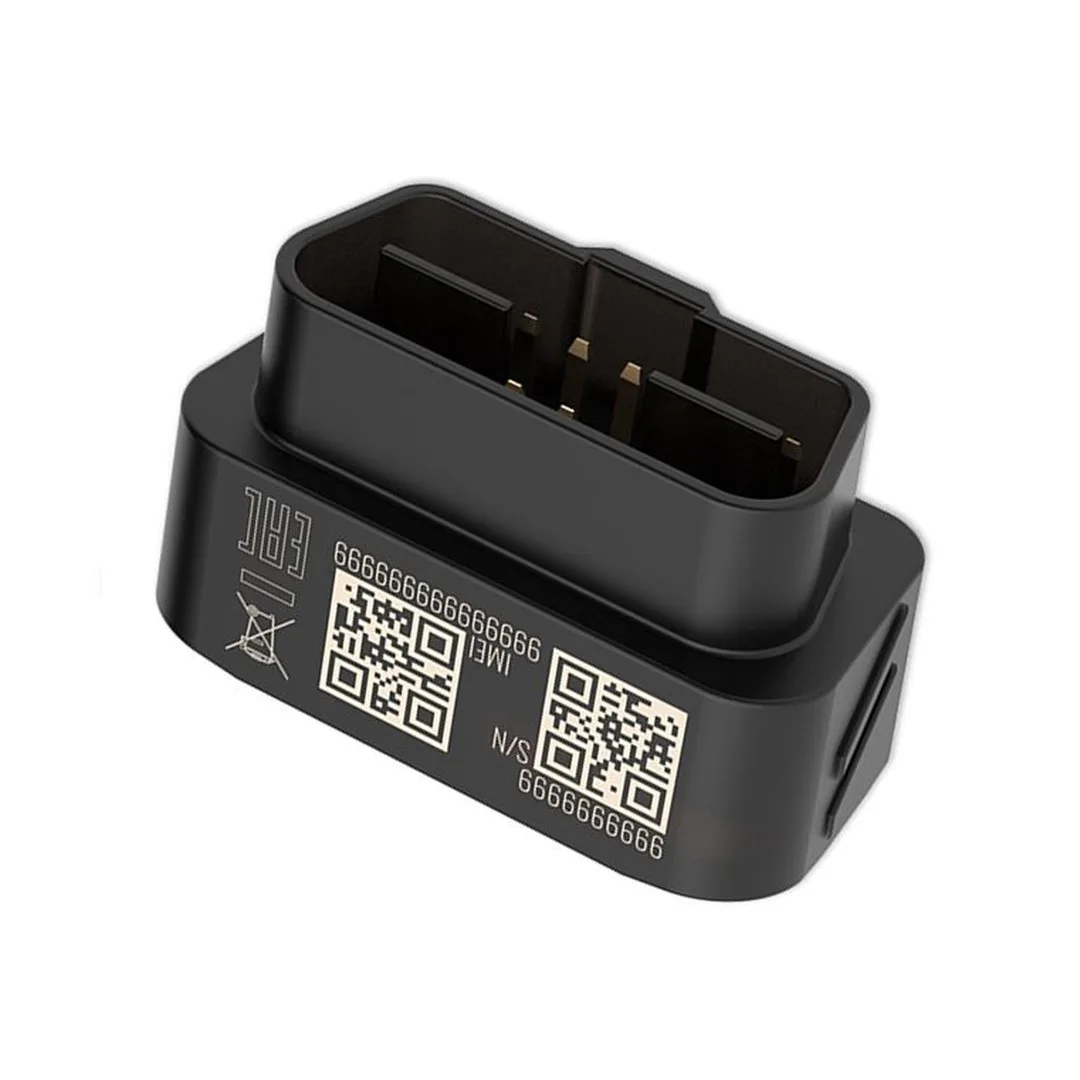
In most cases, a tracker plugged into the OBD II port is a sufficient solution. A device fitted this way, however, carries the risk of driver tampering (unplugging). Another drawback of devices installed via OBD is their inability to record fuel consumption.
Source: teltonika-gps.com
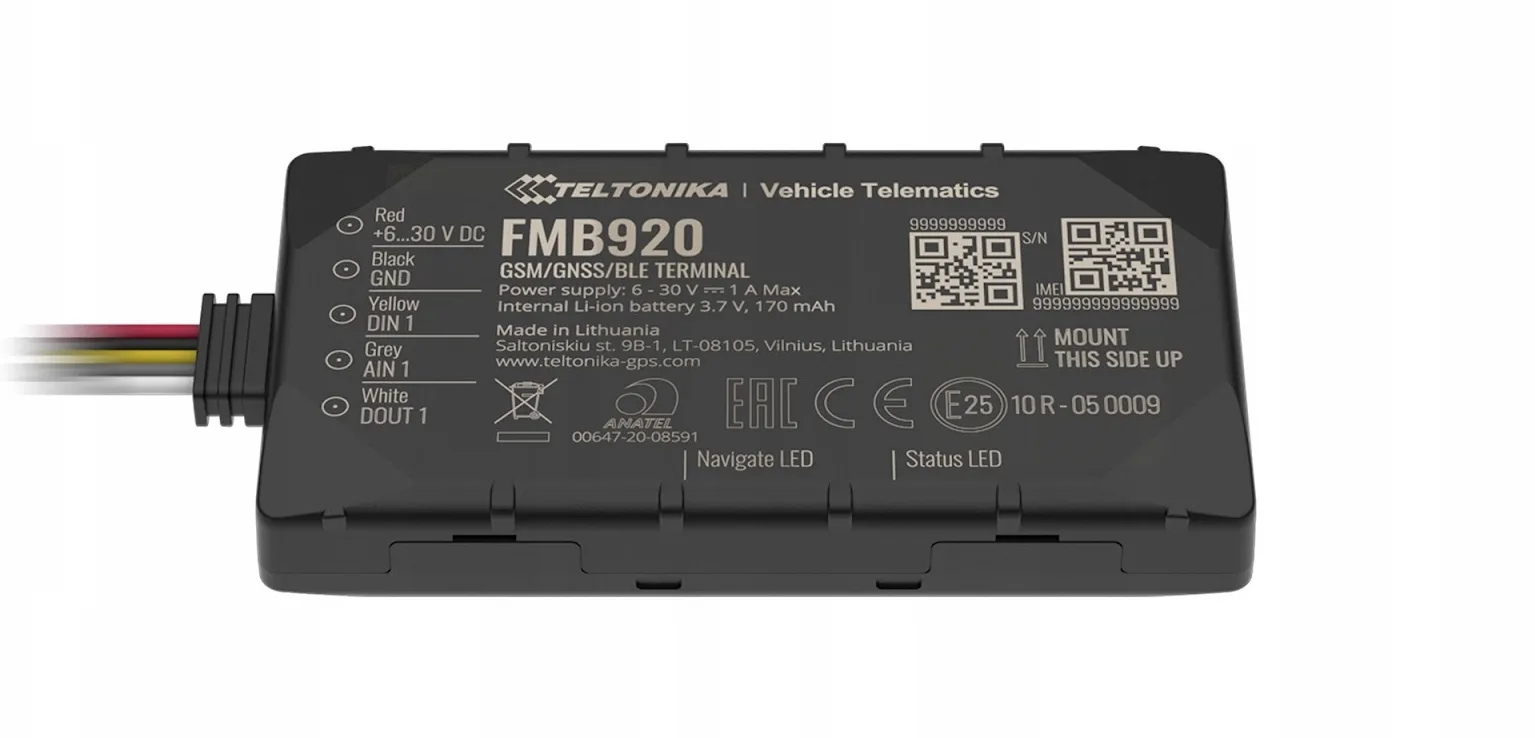
The alternative is a permanently installed device. It has to be fitted in a suitable place under the dashboard, behind the radio or behind the glove box (the more complex installation increases the investment cost). This solution, however, provides comprehensive information including engine revs, vehicle speed and accelerator pedal pressure.
Source: teltonika-gps.com
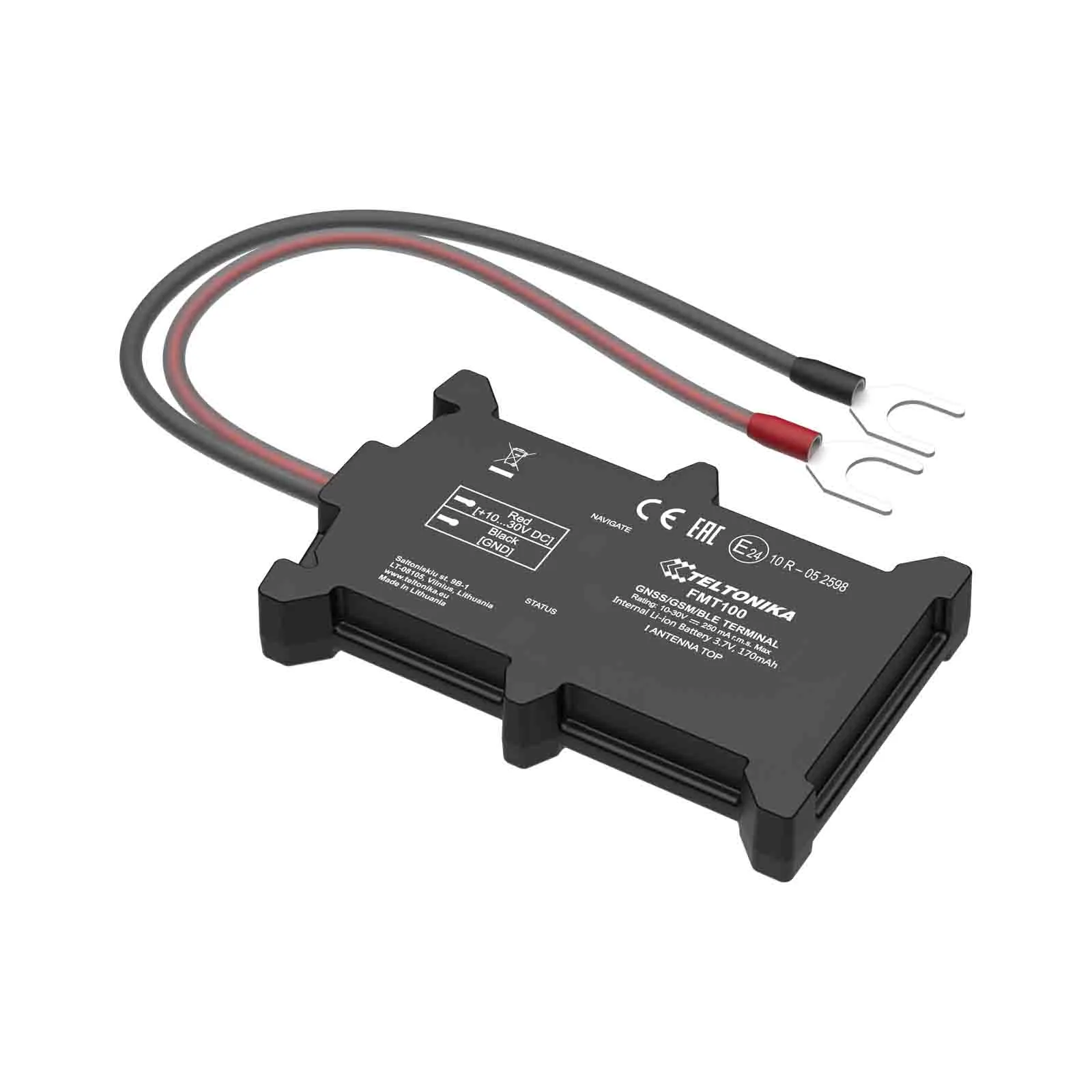
In addition, devices connected to the battery or the cigarette lighter socket are also available on the market.
Source: teltonika-gps.com
Mobile version
Mobile versions of apps are now standard, not only in the telematics industry. Given the fleet manager's workload, a mobile app is an absolutely inseparable part of telematics technology.
Such a solution allows vehicles to be monitored constantly and provides the necessary information even when the fleet manager is away from the company premises, in a meeting or simply does not have access to a computer.
The high functionality of mobile versions of telematics tools comes down to a few characteristics:
- Simplicity – the app should be clear and easy to use. Details such as the colours and size of buttons have a big impact on usability.
- Intuitiveness – the number of taps needed to achieve the intended goal should be reduced to a minimum.
- Responsiveness – there are many types of smartphones on the market. The app should be adapted to different screen sizes and operating systems.
- Speed – as a user, you should receive the data you are interested in as quickly as possible.
When choosing telematics services, it is worth paying attention precisely to the mobile version. Conditions in the industry and the fleet manager's tight schedule demand mobility.
An app for drivers
It is also worth going a step further and thinking about the possibilities a mobile app for drivers would offer. This is particularly useful in the context of improving driving style and developing employees' skills behind the wheel. Modern systems in mobile form can be called virtual coaches. They inform the employee about the mistakes they make and display suggestions that help eliminate drivers' bad habits. This solution allows employees to be trained continuously and individually (classroom group training does not deliver such high effectiveness).
In this case, besides the characteristics listed earlier, the mobile version of the telematics solution must meet one more very important condition. The information provided must be specific and must not require employees' attention while driving.
Support and customer service
Telematics services bring a company a range of benefits. They make the fleet manager's work easier, allow costs to be optimised by controlling fuel consumption, and look after employees' safety on the road and the company's eco-friendly image.
The value telematics will bring to a given organisation is determined not only by the reliability of the solution itself but also by the support provided by the service provider. This is essential at every stage of implementation and use.
Support during implementation
Planning the implementation of telematics in a company is a demanding process. It is important to have support from the very beginning from the company that will provide the telematics services. Transparent cooperation allows you to define your needs better, choose the optimal solutions and get help through the implementation stage.
What we should receive from working with the maker of the telematics solution is not only a reliable tool for monitoring vehicles, but also knowledge of how to convince the board to adopt telematics, how to talk to drivers about the upcoming changes in the company and how to maximise the benefits of introducing such a solution.
Service after implementation
Modern telematics is by design a solution characterised by high reliability. Even so, user support and ensuring continuity of operation should be priorities for the service provider.
It is likely that over many years of using telematics we will encounter problems with both the devices and the app. They do not have to be technical problems to prevent us from carrying out daily duties. It may be a need for additional information on how one of the features works, or the need to verify historical vehicle data that is no longer available in the system.
In such situations a rapid response from the maker of the telematics solution is essential. This is ensured not only by a dedicated team that looks after continuity of users' processes, but also by a knowledge base where you can find plenty of information on the most common problems on your own.
Free trial
Now you know what to look for when choosing a telematics service for your company. We give you the opportunity to test this knowledge against reality in a free trial of Navifleet technology with driving style analysis. Deployments of this kind let you look at telematics from a practical angle and see for yourself how much you can gain from it.